Introduction
Buying or selling a used vehicle in Delhi in 2025 is not just about price negotiation – it is
a legal process tightly controlled by the Delhi Transport Department. With strict pollution rules,
digital challans, vehicle age bans and online RTO scrutiny, a casual deal can easily turn into
a problem if you miss key steps.
Whether you are in New Delhi, North Delhi, South Delhi, East Delhi or West Delhi, every used vehicle
transaction is now tracked through Parivahan, Vahan databases and local RTO systems. Doing things
incorrectly can lead to:
- RC transfer getting rejected or delayed
- Challans and legal notices still coming in the old owner’s name
- Vehicle getting blocked or blacklisted in the system
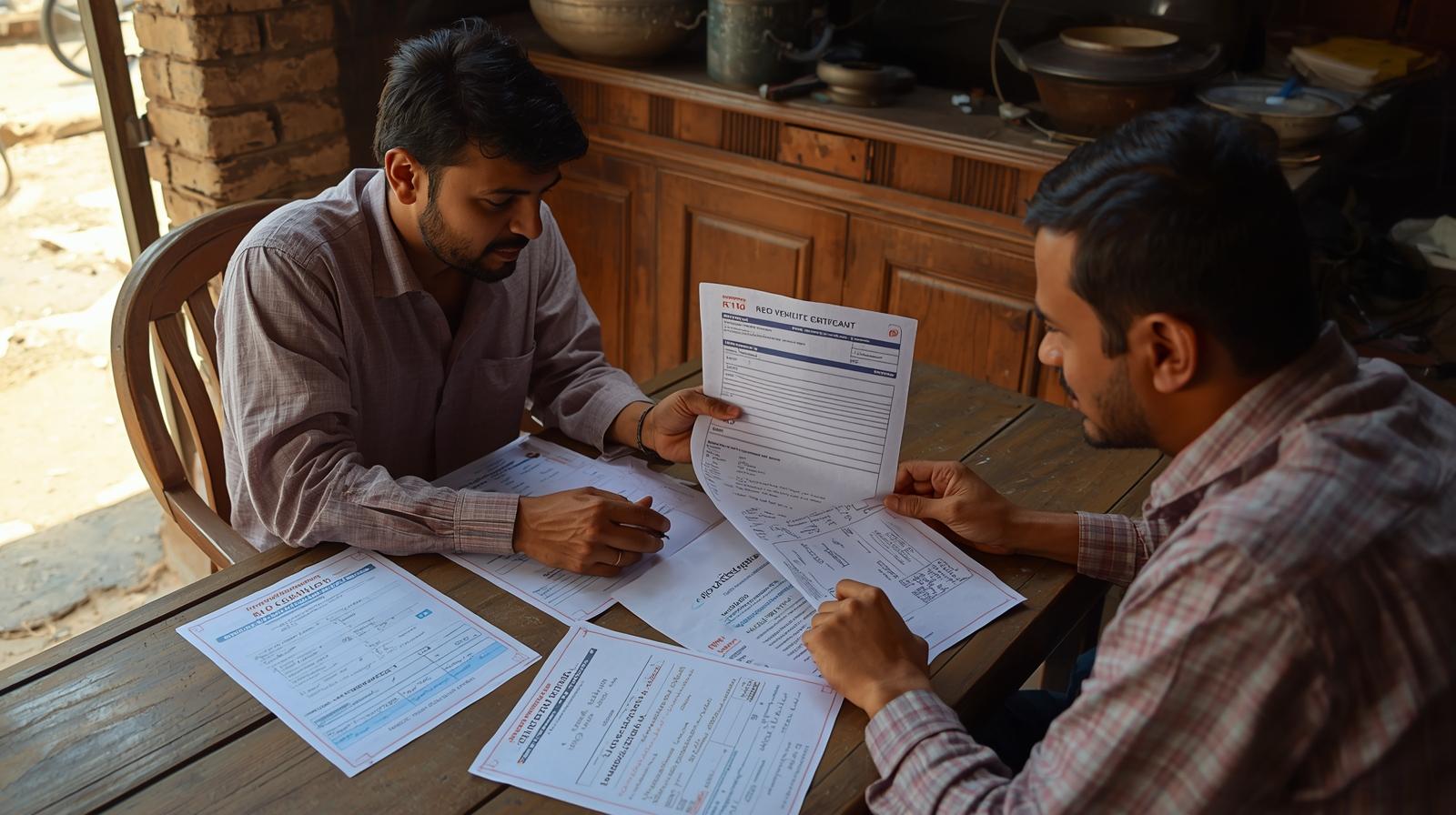
This 2025 guide gives you a clear, step-by-step legal checklist for both buyers and sellers –
including documents, verification steps, online links and practical dos & don’ts to keep your Delhi used
vehicle deal safe and fully compliant.
1. Why buying or selling used vehicles in Delhi requires extra caution (2025 updates)
Delhi has some of the strictest vehicle rules in India due to pollution, vehicle age caps and
camera-based enforcement. Before entering any used car or bike deal in Delhi, you must understand:
- Diesel vehicles older than 10 years are effectively banned in Delhi.
- Petrol vehicles older than 15 years are also banned inside Delhi NCR.
- Pending traffic challans can block or delay RC transfer.
- RTOs verify PUC, insurance, NOC requirements, hypothecation status, blacklist status and in some cases past NCRB/criminal usage.
- Most steps are now fully digital via Parivahan & Delhi RTO portals.
In 2025, End-of-Life Vehicle (ELV) enforcement became a major talking point because authorities linked ANPR cameras
with databases to identify overage vehicles and act against them. If you want a quick “what this means for owners”
explanation in simple language, see:
NDTV report on Delhi’s ELV crackdown & impounding/scrappage.
And because policies can get “paused / modified” due to public feedback and implementation issues, it’s smart to
track major updates (example coverage:
Times of India on Delhi govt pushing back on fuel denial for older vehicles).
If you ignore these checks and just sign a basic sale letter, you risk:
- Buying a car that cannot be transferred in Delhi
- Selling a vehicle but still getting challans in your name
- Being stuck with a vehicle that is too old to be used in Delhi and must be scrapped or shifted out
That is why a proper 2025 legal checklist is essential for every used vehicle deal in Delhi.
2. Step-by-step legal checklist for buyers (2025)
If you are planning to buy a used car or bike in Delhi, follow this buyer-side checklist before
you pay or sign anything.
1) Check vehicle age legality (very important in Delhi)
First, confirm the vehicle is legally allowed on Delhi roads:
- Is the diesel vehicle less than 10 years old?
- Is the petrol vehicle less than 15 years old?
You can verify this using the RC details on the official portal:
Check vehicle age & RC details on Parivahan
Also note: when enforcement intensifies, older vehicles can get flagged/impounded faster — which impacts resale value
and transfer practicality. A related policy update many owners followed was:
Times of India on impounding/scrappage of overage vehicles & probe discussions.
2) Check pending Delhi traffic challans (mandatory before purchase)
Before making any payment, check for pending challans:
If challans are unpaid, ask the seller to clear them first. Unpaid challans can:
- Block RC transfer
- Lead to notices later in your ownership period
One reason this matters in 2025 is the scale of automated enforcement and challans. For context, see this data-style
coverage on how several violations spiked year-on-year:
Times of India: traffic violations rose sharply (2024 vs 2025).
3) Verify insurance, PUC & hypothecation status
Check the following carefully:
- Insurance validity – policy must not be expired.
- PUC certificate validity – especially important in Delhi because of tight PUC enforcement.
- Hypothecation – is the vehicle still under loan?
Don’t treat PUC as a “formality” — investigative coverage has shown how fake/shortcut PUC certificates can circulate,
which creates risk for buyers (invalid certificates = future challans + compliance issues). Example:
India Today investigation on PUC certificate scam in Delhi-NCR.
If there is active hypothecation (loan), the seller must remove it before or as part of the sale,
otherwise RC transfer may be rejected.
You can refer buyers or sellers to this detailed guide:
Hypothecation Removal in DL06 (Central Delhi) – Step-by-step help
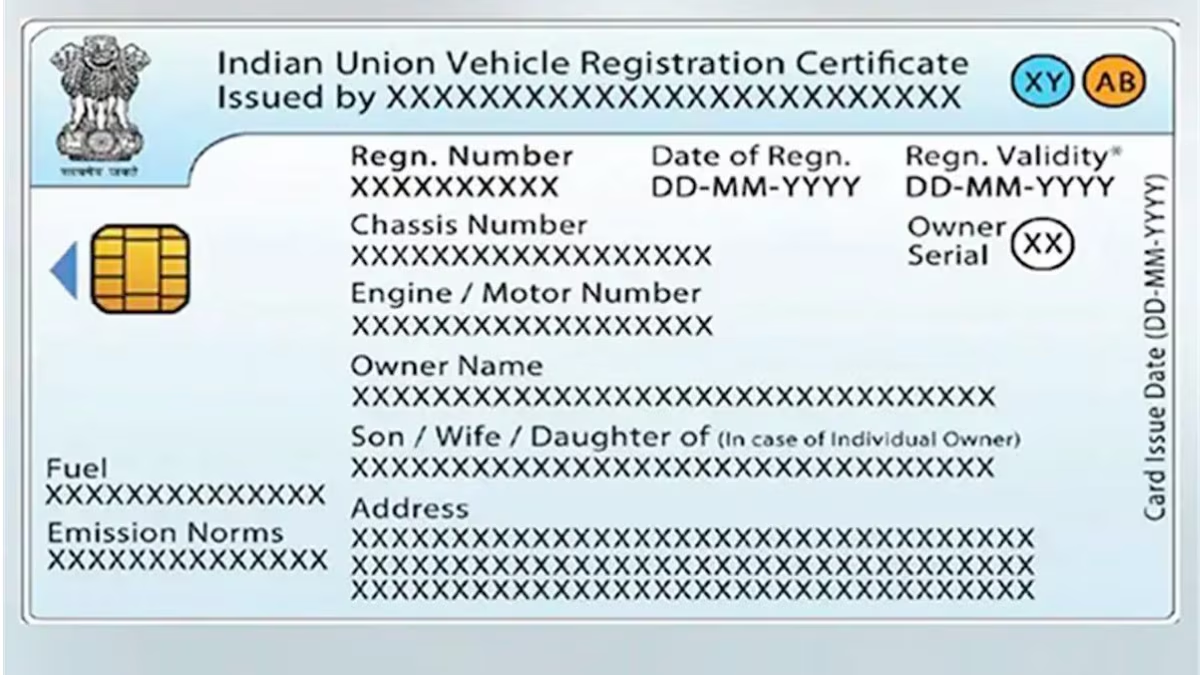
4) Match engine number & chassis number physically
Always cross-check the:
- Engine number
- Chassis number
with the values printed on the:
- RC card / smart card
- Form 22 or manufacturer’s records (if available)
If numbers don’t match or look suspicious, do not buy the vehicle.
5) Get a written sale agreement & payment proof
Never rely on just a verbal understanding. Insist on:
- A clear sale agreement mentioning vehicle details, amount and conditions
- Delivery note mentioning the date and time when possession changes hands
- Buyer and seller ID proofs (Aadhaar, PAN, etc.)
- Payment proof – bank transfer, UPI, cheque or receipt
Avoid cash-only deals with no proof – these are risky if any dispute arises later.
6) Apply for RC transfer immediately (to avoid legal liability)
After purchase, the buyer must apply for RC transfer within 30 days. Do not delay this step.
If you need professional help with the process, you can use:
Ownership Transfer in DL02 (New Delhi) – Fateh Legacy RTO assistance
For RC transfer, you will typically need:
- Form 29 & Form 30 (properly signed)
- Buyer’s ID & address proof (often Delhi-based)
- Seller’s signature where required
- Insurance copy
- Valid PUC
- Photographs and supporting documents as per RTO instructions
3. Step-by-step legal checklist for sellers (2025)
If you are selling a used vehicle in Delhi, your responsibility does not end with taking the money.
You must protect yourself from future legal or challan issues.
1) Clear pending challans before handing over the vehicle
Check and clear all pending challans on:
If you hand over the vehicle with unpaid challans, these can cause RTO transfer problems
and may still show up against your name.
2) Provide clean and complete documents
As a seller, you should provide:
- Original RC
- Valid Insurance policy
- Valid PUC certificate
- Invoice copy (optional but useful)
- Form 29 & Form 30 duly filled and signed
- Loan closure letter and hypothecation removal proof (if applicable)
If the original RC is lost or damaged, get a Duplicate RC before finalising the sale:
Duplicate RC in DL13 (East Delhi) – Document support by Fateh Legacy
3) Keep payment proof & agreement safe
After the sale:
- Store the sale agreement copy
- Keep payment proof (bank transfer / receipt / cheque details)
- Maintain copies of buyer’s ID and address proofs
In Delhi, if the buyer creates a challan before RC transfer is completed, your
name may still show in records. Proper documentation helps if you need to prove that you sold the vehicle.
4) Submit delivery note / ownership declaration online
To limit your liability, submit an online delivery report / ownership declaration on official portals
like Parivahan. This indicates that the vehicle has been handed over to the new buyer on a specific date.
5) If vehicle is moving outside Delhi, provide NOC
If the buyer is taking the vehicle to another state, you (seller) may need to help with an NOC
from the Delhi RTO. Without NOC, re-registration in another state can be blocked.
You can refer to:
NOC in DL01 (North Delhi) – When & how to apply
4. Full used vehicle document checklist (buyer + seller)
Here is a combined document checklist for a safe used vehicle deal in Delhi.
Buyer documents
- Aadhaar / ID proof
- Address proof (Delhi-based if you are transferring within Delhi)
- Any insurance transfer forms required by the insurer
- PAN card if transaction amount is high (e.g., above ₹50,000)
Seller documents
- Original RC (or Duplicate RC if original is lost)
- Valid PUC certificate
- Valid Insurance
- Form 29 & Form 30 signed
- NOC if vehicle is moving outside Delhi
- Loan closure / NOC from bank if hypothecation was present
Vehicle documents / details
- Visible chassis imprint
- Visible engine number
- Latest PUC readings
- Tax paid receipts (if applicable for certain categories)
Keeping this file complete makes RC transfer faster and safer for both parties.
5. Important 2025 Delhi rules you must remember
Some Delhi rules directly affect whether a used vehicle can be legally sold or transferred:
1) Vehicle age rules
- Diesel vehicles older than 10 years – cannot be sold within Delhi; RC transfer will not be allowed.
- Petrol vehicles older than 15 years – cannot be sold within Delhi; they are treated as End-of-Life Vehicles.
If you want a practical “what will happen on ground (fuel / impound / scrappage)” style summary, this is a useful read:
NDTV: Delhi govt crackdown on end-of-life vehicles.
2) Challan rules
If challans are unpaid, RTO may:
- Reject or hold the RC transfer
- Keep the vehicle status as blocked or blacklisted
Because challans have increased with camera-based enforcement, doing a challan check is no longer optional. This report
captures how multiple violation categories climbed year-on-year:
Times of India: violations spike in Delhi (2024 vs 2025).
3) Vehicle blacklisting
Blacklisted vehicles (due to tax, challans or legal cases) cannot be transferred until dues and
issues are fully cleared.
You can check such status on Parivahan / Vahan portals:
Check vehicle status on Vahan
4) GRAP & pollution restrictions
During peak pollution season, under GRAP stages, diesel vehicles may face temporary bans in Delhi NCR.
While this doesn’t permanently stop transfer, it affects:
- Vehicle usability during certain months
- Buyer’s decision and resale value
6. What if RC is lost or damaged before sale?
You should not sell a Delhi vehicle without a valid RC. If the RC is:
- Lost – you must apply for a Duplicate RC first.
- Damaged – you should still get a duplicate issued.
Once the duplicate RC is issued, you can safely proceed with the sale and RC transfer.
You can use this detailed Delhi-specific service:
Duplicate RC in DL13 (East Delhi) – Complete process with Fateh Legacy
7. Driving Licence update for buyers (address change in Delhi)
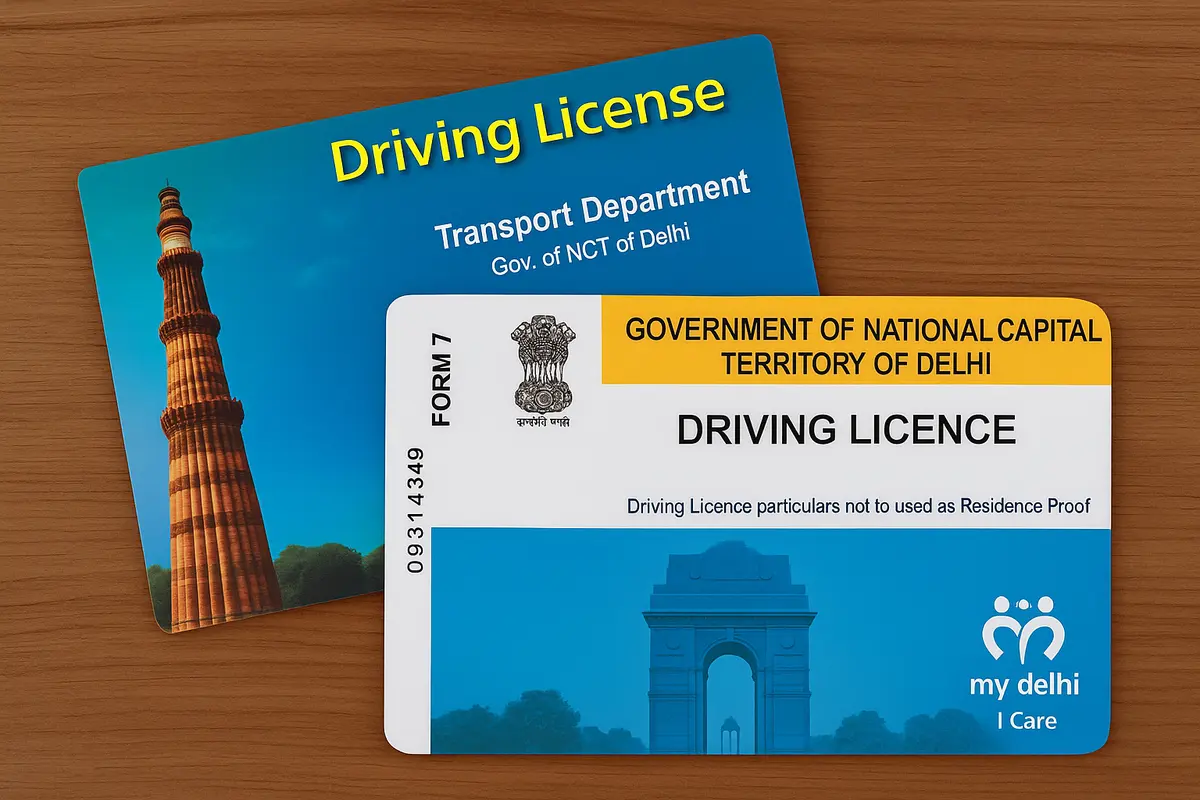
Many buyers who purchase used vehicles in Delhi also change their residential address within the city.
In such cases, you may want to:
- Update your DL address
- Sync address between RC, DL and Aadhaar for smoother RTO work
You can use this Delhi-specific DL service for address updates and related work:
Driving Licence in DL02 (New Delhi) – Updates & services
8. Delhi areas where RTOs are most active in used vehicle transfers
Some areas in Delhi see a very high volume of used vehicle buying and selling, so RTO scrutiny is
often tighter and processing queues can be longer:
- Dwarka (DL09)
- Rohini (DL01 / DL11)
- Saket & South Delhi belt (DL03)
- Janakpuri & West Delhi belt (DL04)
- Loni Road, Shahdara (DL05)
- East Delhi – Mayur Vihar, Preet Vihar (DL13)
- Sarojini Nagar & New Delhi zones (DL02)
- Burari, Azadpur (DL01 and nearby jurisdictions)
Working with a Delhi-based RTO expert like Fateh Legacy can save you time, especially in these
busy jurisdictions where small document errors often cause delays.
9. Expert tips for safe used vehicle transactions in Delhi
To avoid disputes, challans and RC transfer issues, keep these expert tips in mind:
- Avoid cash-only deals – always have bank or digital payment proof.
- Carefully match the RC name with the seller’s ID – do not buy if they differ without a valid reason.
- Avoid vehicles with a doubtful NCRB or theft history.
- Take a trusted mechanic for physical inspection – check engine, suspension, brakes, tyres and odometer tampering.
- Check service records if available – they reveal how the vehicle was maintained.
- Do not trust forged PUC or fake insurance documents – verify via official portals.
- Always complete RC transfer within 30 days and keep copies of every document and form.
Quick reality check for 2025: authorities have been actively flagging fake/shortcut compliance, so your “document
verification habit” matters more than ever (example:
India Today on PUC scam in Delhi-NCR).
Need help closing a safe used vehicle deal in Delhi?
Fateh Legacy helps buyers and sellers in Delhi with RC transfer, NOC, hypothecation removal,
duplicate RC and Driving Licence updates – so your transaction is completely legal and hassle-free.
Talk to a Delhi RTO Expert
Conclusion
Buying or selling a used vehicle in Delhi in 2025 can be completely safe – as long as you follow
the legal checklist carefully. The combination of vehicle age bans, challan enforcement, PUC rules and
digital RTO processes means you cannot treat this as just a simple cash deal.
Always make sure that:
- Vehicle age fits Delhi diesel (10 years) and petrol (15 years) norms
- All challans are cleared before transfer
- Documents like RC, insurance, PUC and forms 29/30 are complete and accurate
- RC transfer is applied within 30 days and you keep proof of delivery and payment
- Both buyer and seller maintain proper written agreements and ID proofs
If you need expert help with RC transfer, NOC, hypothecation removal, duplicate RC or Driving Licence updates,
Fateh Legacy offers fast, Delhi-specific RTO services so you can complete your used vehicle transaction
with full peace of mind.
Frequently Asked Questions
Can I buy a diesel vehicle older than 10 years in Delhi?
No. In 2025, Delhi RTO will not transfer RC for diesel vehicles older than 10 years. Such vehicles are treated as banned/End-of-Life inside Delhi NCR.
Who must apply for RC transfer – buyer or seller?
The buyer is responsible for applying for RC transfer, usually within 30 days of purchase. However, the seller should actively ensure it is done to avoid future legal or challan issues.
Can I sell my Delhi-registered vehicle to another state?
Yes, you can sell to another state, but you will need an NOC from the Delhi RTO. Without NOC, re-registration outside Delhi may be blocked. You can refer to Fateh Legacy’s NOC service for DL01 and other zones.
How long does ownership transfer take in Delhi?
Typically, ownership transfer in Delhi takes around 15–30 days, depending on the RTO’s workload, document correctness and any pending challans or issues.
What if the vehicle loan is not removed before selling?
If hypothecation is still active on the RC, RC transfer can be rejected. The loan must be closed and hypothecation removal completed before or during sale to avoid legal and RTO complications.
Do I need to update insurance after buying a used vehicle in Delhi?
Yes. The insurance must be transferred to the buyer’s name, usually within 14 days. If this is not done, claims may get rejected in case of an accident.
Can I buy a vehicle without the original RC?
It is strongly advised to avoid buying a vehicle without original RC. The seller should first obtain a Duplicate RC from the RTO before completing the sale.
Are pending challans transferred to the buyer?
Pending challans generally remain tagged to the vehicle and previous records, and can block RC transfer until they are cleared. Practically, they can affect the buyer, so it is best to clear all challans before sale.
Is biometric verification mandatory in 2025?
In many Delhi RTOs, biometric verification is increasingly used for RC transfer and related transactions. Buyer and seller may be called to the RTO for biometric or e-sign processes, depending on current rules.
Can I verify a vehicle’s history and theft status online?
Yes. You can use official platforms like Parivahan/Vahan for registration details and the Digital Police / NCRB portals to check for theft or criminal records, where available.