Introduction
In 2025, Delhi RTO biometrics has become one of the most critical stages for approving Driving Licence (DL)
and Registration Certificate (RC) applications across all zonal offices — from Sarai Kale Khan (DL01) and
Janakpuri (DL10) to Dwarka (DL09), Rohini (DL11) and Mayur Vihar (DL05).
Whether you are applying for a fresh DL, renewal, duplicate licence, International Driving Permit (IDP),
ownership transfer or a new RC, your file simply cannot move forward unless your photograph,
fingerprints and digital signature are successfully captured in the Sarathi/Vahan system.
Yet many Delhi residents are still unsure about what actually happens during biometric verification, why some people are
asked to redo biometrics, or why their DL/RC file remains stuck in statuses like “pending approval”,
“pending dispatch”, or “verification incomplete” for weeks.
In reality, most delays are not because of “RTO rush” alone — they are triggered by data mismatches,
server issues, slot unavailability, old records not digitised and vendor-side printing backlogs.
This Delhi-specific 2025 guide explains:
- What Delhi RTO actually checks during biometrics;
- How the verification process works step-by-step at zonal offices;
- Why DL/RC applications get delayed at different stages;
- How you can avoid the most common mistakes; and
- Practical, Delhi-focused FAQs and solutions you can use instantly.
Let’s decode the Delhi RTO Biometrics Process so you experience faster approvals, quicker card delivery and minimum
risk of rejection or repeat visits.
1. What is “Biometrics” at Delhi RTO?
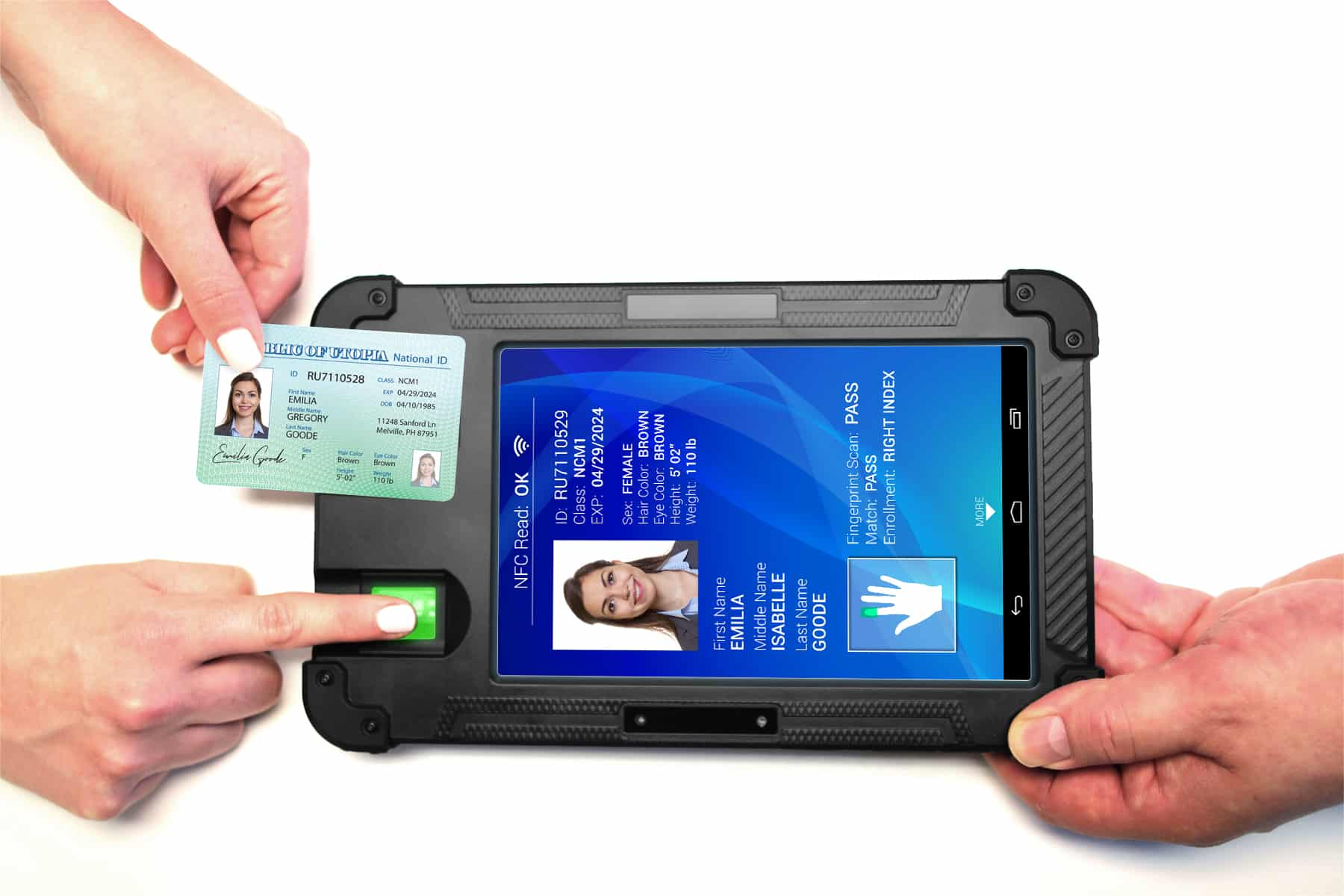
At Delhi RTOs, “biometrics” typically means a combination of:
- Live photograph (for DL/RC smart cards);
- Fingerprints – more commonly linked to driving licence services;
- Digital signature captured on an electronic pad; and
- Backend Aadhaar/e-KYC or facial-recognition cross-checks for certain faceless/online services.
This biometric data is stored in the Sarathi (DL) or Vahan (RC) database and is printed on the
QR/Smart card driving licence or Registration Certificate. From 2025 onwards, this biometric layer is treated
as a non-negotiable requirement for most card-based DL and RC services.
Delhi has been pushing faceless and tech-driven transport services for a few years. For example, the city introduced
online learner’s licence with AI-based facial recognition and video capture to verify that the person taking
the test is the actual applicant. This shift was covered in detail by
The Indian Express
.
In summary, biometrics at Delhi RTO is the digital identity layer that connects your face, fingerprints and signature
to your DL/RC record. If this layer is incomplete or mismatched, your application cannot move smoothly.
2. Which RTO Services in Delhi Need Biometrics in 2025?
2.1 Driving Licence–related services (Sarathi)
At Delhi’s zonal transport offices — for example, Sarai Kale Khan, Janakpuri, Rohini, Mayur Vihar, Dwarka, Vasant Vihar,
Loni Road, Raja Garden and IP Depot — biometrics is typically required for:
- Fresh permanent Driving Licence (DL) after passing the road test;
- DL renewal (especially when a new smart card is being issued);
- Duplicate DL if the old licence is lost or damaged;
- Addition of a new class of vehicle (for example, adding commercial class to an LMV licence);
- International Driving Permit (IDP) issuance; and
- Other card-based DL services that require a fresh or updated photograph/signature.
Official DL services for Delhi are routed through Sarathi via the Delhi Transport Department portal. Correct
biometrics ensures your new smart card reflects your latest photograph and signature across all future updates.
If you are located around the Janakpuri (DL04) belt and want structured support for driving licence work,
specialised services like
Driving License in DL04 (Janakpuri, Delhi)
can help you align your biometrics, documentation and appointment strategy zone-wise.
2.2 Vehicle Registration (RC) & other Vahan services
Biometrics/photo/signature is also captured or confirmed for several RC-related transactions, such as:
- New vehicle registration (RC) for cars, bikes, commercial vehicles;
- Transfer of ownership within Delhi (sale/purchase inside NCT of Delhi);
- Transfer of ownership from outside state (re-registration in Delhi after NOC);
- Hypothecation endorsement or removal (HP removal) after loan closure;
- Change of address on RC; and
- Certain corrections or re-issue scenarios where a new card must be printed.
For example, when a vehicle’s ownership changes in industrial belts like Wazirpur (DL08), a clean combination of
biometrics + ownership trail becomes essential. This is where services such as
Ownership Transfer in DL08 (Wazirpur, Delhi)
help you handle both the paperwork and biometric touchpoints without gaps.
Appointments for many RC-related services are now pre-booked online before you visit the RTO, so your biometrics slot
is tightly linked to the digital application flow.
When vehicles move between states, NOC-based workflows often sit parallel to biometrics and RC work. In South-West Delhi,
for instance, vehicle owners frequently rely on
NOC in DL09 (Palam, Delhi)
to ensure that inter-state NOC issuance and subsequent biometrics/RC updates are properly sequenced.
3. Step-by-Step: What Exactly Happens During Biometrics in Delhi
The flow below is typical for 2025 driving licence workflows and is similar for many RC-related services. Exact
room layout and counters may differ zone to zone, but the logic stays the same.
3.1 Before you reach the biometric room
- Online application & fee payment:
You apply on Sarathi (for DL) or the Delhi Transport/Vahan service page (for RC), fill out forms, upload
documents and pay the required fee.
- Slot booking:
You then book an appointment for your driving test/verification. Walk-ins are usually not accepted without a slot.
- Document verification at RTO counter:
On the appointment day, an official verifies:
- Original ID proof, age proof, address proof;
- Old DL/RC in case of renewal, duplicate or changes; and
- Supporting documents like Aadhaar, PAN, medical certificate (for certain categories) etc.
Only after this does your token move to the biometrics queue.
3.2 Inside the biometrics room – DL/RC
Once your token number appears on the screen or is called:
- Application pull-up: The operator opens your application number in Sarathi/Vahan, confirming your
name, parent’s name, date of birth, address and vehicle class/transaction type.
- Live photograph capture: You sit in front of a webcam, remove cap/sunglasses/mask as asked, and look straight
into the camera. This photograph appears on your DL/RC card and in the backend database.
- Fingerprint scanning (where implemented): You place fingers on the scanner (index fingers or multiple fingers,
depending on the device). The system creates a unique biometric record linked to your application.
- Digital signature: You sign on an electronic pad. This signature is printed on the card and kept for future
verification.
- Aadhaar/e-KYC or facial match: For certain faceless/online services (especially learner’s licence from home),
Delhi uses AI-based facial recognition that matches your Aadhaar photograph with live video feed.
- Final submission: Once biometrics are saved, the system marks your application as
“biometrics captured / pending approval / pending card printing” depending on the service.
From this point, you enter the post-biometrics stage, where backend approvals and vendor-side printing largely decide
how fast your card reaches you.
4. How Biometrics is Linked to Delays in Delhi
Biometrics itself may take only a few minutes, but in Delhi, most DL/RC delays are indirectly linked to capacity
issues, IT systems and vendor bottlenecks around the biometric stage.
4.1 Delay before biometrics – getting a slot
- Backlog of driving test appointments:
A report in
The Indian Express
highlighted how waiting times of 2–4 months for driving test appointments arose in Delhi due to technical glitches
and high online traffic.
- Limited slots even after resumption:
After Covid-era pauses, Delhi resumed driving tests with fewer slots, prioritising older pending applicants. Coverage
in
Hindustan Times
explained how this again stretched timelines.
- Zonal load differences:
Some zones like Sarai Kale Khan and Janakpuri can be busier than others. The government has, at times, shifted load
between RTOs to keep waiting periods below 45 days.
If you never get a test/verification slot, you never reach the biometric room, so your file remains stuck as
“pending scheduling”.
4.2 Delay during biometrics – on the day of visit
Common reasons for same-day delays and repeated visits include:
- Token rush & limited biometric machines – 1–2 stations per zone can only process a fixed number of applicants.
- Server or network issues – if Sarathi/Vahan servers are slow or down, operators cannot pull application data or
save biometric records.
- Data mismatch – difference in name, date of birth or parent’s name between Aadhaar/ID and the application or
old DL/RC. Officials may ask you to correct data first, which can add weeks.
- Old DL/RC not fully digitised – backlog-entry problems for older licences or RCs can trigger “record not found”
style errors.
In some cases, especially where older physical RCs are lost or damaged, getting a
properly digitised replacement becomes the first step before you can move forward. Around the Rohini (DL11)
zone, owners often rely on
Duplicate RC in DL11 (Rohini, Delhi)
to clean up the base RC record before adding fresh biometrics and further changes.
4.3 Delay after biometrics – printing & dispatch
Even after successful biometrics:
- Vendor/printing bottlenecks:
Delhi’s smart-card projects have historically faced criticism for vendor delays and weak time-bound delivery
clauses, causing printed cards to pile up.
- Bulk backlog after policy changes:
Whenever new rules or enforcement drives are announced, massive last-minute applications flood the system, slowing
approvals and printing.
- Post/dispatch delays:
Even if cards are printed in time, postal delays or incomplete addresses can hold back delivery.
4.4 New DL rules and their indirect impact on RTO workload
Since June 2024, new national DL rules allow authorised private driving schools to conduct driving tests, with
stricter mandatory training hours.
For Delhi, this means:
- Some applicants may complete driving tests at training schools, reducing the immediate load on government tracks;
- But RTO biometrics and card issuance still stay within the Transport Department, so backend database and
printing load remains high;
- During the transition, confusion about where to test, how biometrics will be linked, and how systems are updated can
temporarily create more delays.
5. Practical Tips to Avoid Delays in Delhi RTO Biometrics
You cannot control the entire system, but you can reduce your chances of getting stuck by planning the biometric stage
properly.
- Book slots early:
For DL, book your permanent test slot as soon as the minimum LL waiting period (usually 30 days) is over. In busy
zones, slot availability can stretch by weeks.
- Double-check personal details before payment:
Align your name, date of birth, father’s/spouse’s name and address with Aadhaar and old DL/RC before you pay
the fee. Most biometric-day issues trace back to spelling and data mismatches.
- Carry complete documents, originals + photocopies:
Aadhaar, PAN (if needed), existing DL/RC, address proof, medical certificate (for commercial or age > 50), passport-sized
photos etc.
- Reach 30–45 minutes early:
You need buffer time for security checks, token queues, and document verification before you enter the biometrics room.
- Keep your mobile number active and updated:
Status SMS, OTPs and portal updates are linked to your registered number. Official portals like
Parivahan
strongly emphasise keeping mobile details current.
- Track status online after biometrics:
Use DL/RC status checkers to confirm movement of your file. If it is stuck for longer than a reasonable period, raise a
grievance with screenshots.
- Always use official links:
Visit only the Delhi Transport and Sarathi/Parivahan websites, not third-party-agent clones that can mislead
you.
For loans and finance-linked vehicles, make sure that your hypothecation details are correctly updated during or after
biometrics. In East Delhi, for example, loan-closure cases around Surajmal Vihar (DL13) are often streamlined through
Hypothecation Removal in DL13 (Surajmal Vihar, Delhi)
,
so that the biometric record, RC status and bank closure documents all match perfectly.
6. Delhi-Specific View: Biometrics for Different Use Cases
6.1 Fresh permanent DL (LMV/two-wheeler)
For a fresh permanent DL, biometrics usually happens after you clear the driving test at the authorised track.
Once the Motor Vehicle Inspector marks you as “Pass”, you are directed to the biometric room for photo, fingerprints
and signature capture.
Many step-by-step DL guides for Delhi emphasise this stage as mandatory before the smart card is printed. For instance,
Digit Insurance’s guide on getting a DL in Delhi
explicitly highlights biometric/photo capture as part of the process.
Once biometrics and approvals are complete, the DL smart card is printed and dispatched to your registered address or
made available on Digilocker/mParivahan.
6.2 DL renewal in Delhi
For many DL renewals, especially where:
- The old licence was not a smart card, or
- Your existing photo/signature is too old or unclear,
you may be called to the RTO for fresh biometrics. This keeps your renewed card aligned with your present appearance
and signature sample.
6.3 Change of address, duplicate DL, adding a new vehicle class
Biometrics is also common when:
- You request a change of address on DL;
- You apply for a duplicate DL because the original is lost/damaged; or
- You add a new class of vehicle (for example, adding a transport/commercial category).
In these cases, the system effectively treats your application as a re-issue with updated details, so fresh photo and
signature ensure your card remains consistent via the biometrics layer.
6.4 RC-related transactions
On the RC side, many Delhi RTOs capture:
- Owner’s photograph and digital signature for new RCs; and
- Confirmation of these details during ownership transfer, HP removal, re-registration of outside-state vehicles and
change-of-address workflows.
In corridor-to-corridor movements (for example, when a vehicle registered in one zone is later sold or moved after NOC),
your biometric record helps maintain continuity. Where NOC is part of the journey, structured assistance from
zone-focused services such as DL09 Palam NOC handling can keep your RC and biometrics in sync through every step.
7. When Should You Be Worried About Delay?
Exact timelines vary by zone and workload, but as a practical 2025 benchmark for Delhi:
- Slot for biometrics/test not available within 30–45 days:
This usually signals a strong backlog. Try checking alternative nearby zones if the system allows reassignment.
- More than 7–10 working days after biometrics, status still “Pending at RTO” with no movement:
This could indicate internal approval/printing delays or a hidden query on your file.
- More than 2–3 weeks after card shows “dispatched” but not delivered:
This points to postal/address-level issues or undelivered mail being returned.
At this point, you should:
- Raise a grievance through the Delhi Transport Department’s complaint/contact section with full application
details and screenshots;
- Visit the RTO with your acknowledgement slip, status printout and ID proof, asking specifically which stage
your file is stuck at; and
- If needed, consider working with a reputed Delhi RTO consultant rather than touts near the gate who may not
prioritise transparency.
Where the delays combine with ownership, NOC or finance-linked complexities, cleaning up the RC data is often crucial
before biometrics can be meaningfully used for upgrades or transfers.
Conclusion
In Delhi 2025, biometric verification is the backbone of how DL and RC applications are identified, approved
and physically printed. It is not a formality: if your biometrics are incomplete, mismatched or stuck in pending
status, your entire application chain slows down.
- Treat your biometric appointment as a critical milestone, not just “one more RTO visit”.
- Plan for slots, documentation and data consistency well before your appointment date.
- Use the online status portals actively so that you can intervene early when a file is stuck.
- Where old records, inter-state movement or loan closures are involved, fix the RC and DL trail first so that
biometrics do not sit on top of a broken data foundation.
Handled correctly, Delhi RTO biometrics is just a brief, well-managed step toward fast, policy-compliant DL and RC
issuance. Handled casually, it can become the starting point of long-term delays, repeat visits and rejected
applications.
How Fateh Legacy Helps with DL, RC & Biometrics in Delhi
Biometrics at Delhi RTO is rarely the only issue. In real life, it sits alongside ownership changes, NOCs, loan closures,
lost RCs and address shifts. If any of these pieces are weak, even perfectly captured biometrics cannot rescue a file
from getting stuck.
For example, after biometrics is done for a re-registration or ownership transfer, many buyers discover that the
previous RC trail or NOC paperwork has missing links. In corridors like DL08 Wazirpur and DL09 Palam, this is where
zone-specific services for ownership transfer and NOC become critical to stabilise the record before future upgrades.
Loan-financed vehicles are another major pain point. If hypothecation is not properly endorsed or removed on RC, or if a
lost RC is never formally replaced, the biometric layer ends up tied to an outdated or incomplete record. The smarter
approach is to first:
- Fix ownership via the right zone (e.g., DL08);
- Handle NOC cleanly at origin or destination (e.g., DL09);
- Complete hypothecation removal once the loan is closed (e.g., DL13); and
- Secure a Duplicate RC where the original is lost or damaged (e.g., DL11).
Once this base trail is stable, biometrics simply becomes the final identity lock on top of a clean DL/RC file
instead of a bottleneck.
If you want to avoid years of confusion later, it is worth treating biometrics, RC history and NOC/hypothecation together
as one integrated project rather than scattered tasks.
Frequently Asked Questions
Is biometric verification mandatory for all DL applications in Delhi?
For fresh permanent DL, DL renewal where a new smart card is issued, duplicate DL and adding a new vehicle class, biometric verification (photo + signature and often fingerprints) is effectively mandatory. Without biometrics, your DL card cannot be printed in the current smart-card format.
Do I need biometrics for the online learner’s licence in Delhi?
For the online learner’s licence test from home, Delhi uses AI-based facial recognition and Aadhaar-linked verification instead of in-person biometrics. Your face is matched against your Aadhaar photograph through webcam recording, which acts as the biometric layer for the learner’s licence stage.
How long after biometrics does it take to get my DL card in Delhi?
In normal conditions, most people receive their DL card within 7–15 working days after biometrics. Delays can happen due to printing vendor backlog, address mismatch or postal issues. If the status shows “dispatched” but you have not received the card within 3 weeks, you should check status online and contact your zone.
Can old DL/RC records cause biometric issues in Delhi?
Yes. If your old DL or RC is not fully digitised, or if key data like name/date of birth does not match Aadhaar, the system may show errors when saving biometrics. Officials might ask for manual correction or “backlog entry”, which adds time and sometimes requires separate applications or supporting documents.
Why are Delhi DL slots sometimes unavailable for months?
Media reports have highlighted backlogs, heavy online traffic, technical glitches and limited test slots as reasons for long waiting periods, sometimes reaching 2–4 months. During such phases, it becomes even more important to book your slot early and explore alternative zones if the system permits.
Do the June 2024 DL rules mean I can skip Delhi RTO altogether?
No. The new rules allow authorised private driving schools to conduct driving tests, but your DL issuance, biometrics and smart-card generation still take place inside the Sarathi/RTO system. Delhi RTO remains a crucial part of the chain for approvals and card printing.
Is biometrics also needed for an International Driving Permit (IDP) in Delhi?
Yes. For IDP, your details are drawn from your Delhi DL record. If your biometrics are outdated or missing, the RTO will capture a fresh photograph and signature before issuing the permit so that your IDP remains synchronised with your latest DL data.
My DL status says “Approval done, pending dispatch” even after biometrics. What does it mean?
This usually means that biometrics and approvals are complete, but your card is still in the printing or postal dispatch queue. Vendor or postal delays are common at this stage. If the status does not change for more than 2–3 weeks, visit your RTO or raise a complaint with your acknowledgement slip.
Can I drive in Delhi with acknowledgement receipt after biometrics but before card delivery?
In practice, many people carry their old DL plus the acknowledgement printout/status screenshot. Legally, you must carry a valid licence, either physical or digital via mParivahan or Digilocker. Until the new card is issued, ensure that at least one valid document is accessible on your phone or in physical form.
How can I minimise the chances of biometric-related delays in Delhi?
You can reduce delays by: (1) filling the form carefully and matching all details with Aadhaar/old DL; (2) uploading clear scans of documents; (3) carrying originals plus photocopies; (4) arriving on time for your slot; (5) keeping your mobile number active for OTPs and status SMS; and (6) checking DL/RC status regularly after biometrics so that you can act quickly if the file is stuck.