Introduction
Every year, from October to February, Delhi enters its peak pollution season. A period when air quality dips sharply due to stubble burning, cold weather, vehicle emissions, and construction dust. As explained in
The Indian Express analysis on why pollution spikes every October
, these factors combine to create severe smog conditions. To control this, the
Commission for Air Quality Management (CAQM) enforces the
Graded Response Action Plan (GRAP) across Delhi and the entire NCR region.
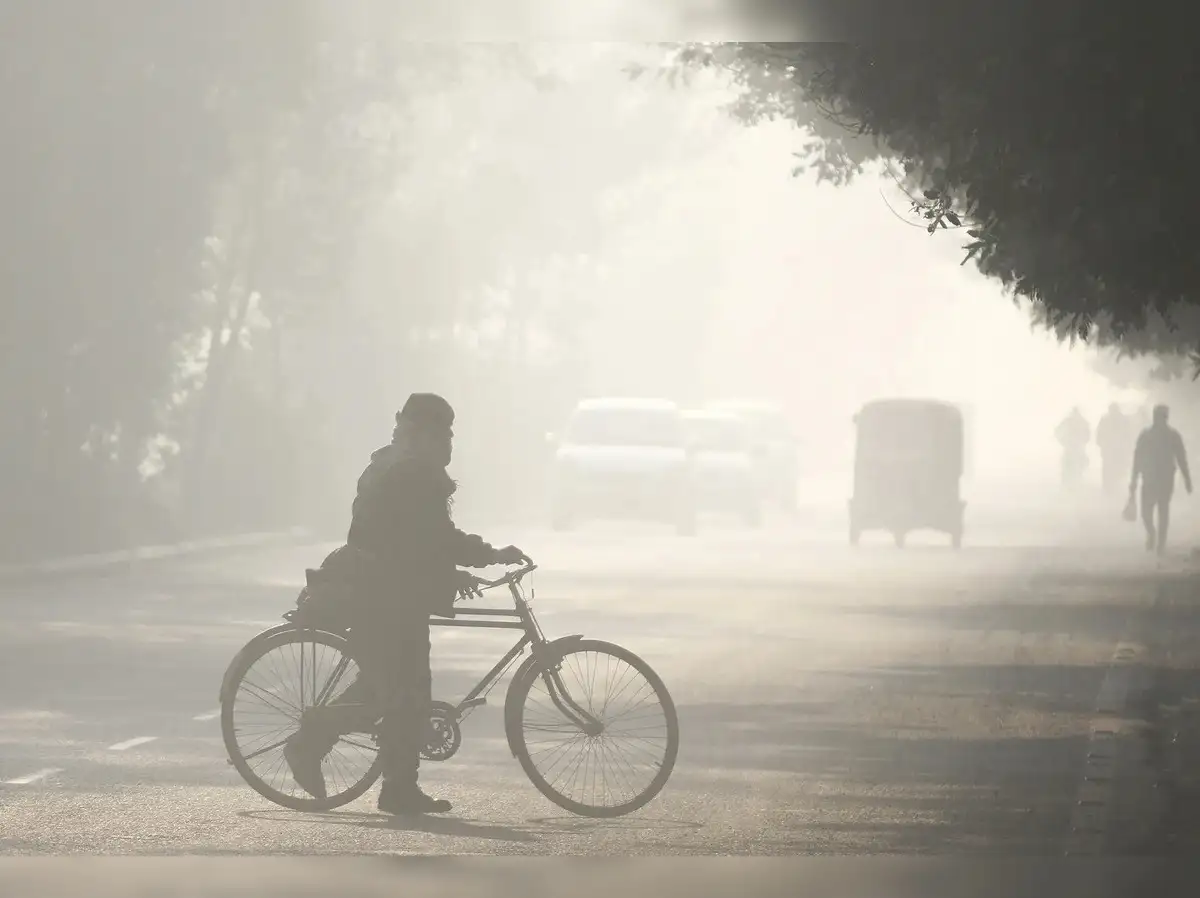
This updated 2025 guide explains the latest GRAP rules, new triggers, enforcement timelines, and how Delhi residents, commuters, and vehicle owners must prepare for the winter pollution months.
- What GRAP is and how it works for Delhi
- Latest CAQM updates for GRAP Delhi 2025
- Stage-wise actions from Poor to Severe+ AQI
- What to expect in the October–February pollution season
- Practical preparation tips for residents & vehicle owners
- Delhi zones most affected during GRAP season
1. What Is GRAP & Why It Matters for Delhi in 2025?
The Graded Response Action Plan (GRAP) is Delhi’s structured pollution-control framework that gets activated when air quality crosses specific PM2.5/PM10 levels. CAQM revises these measures every year based on AQI trends, health impacts, and ground feedback from Delhi and NCR.
In 2025, GRAP is designed to be:
- More strict – stronger curbs on vehicles, construction, and industries
- More technology-driven – data from satellites, real-time AQI stations, and traffic heatmaps
- Faster to enforce – stages can be activated within hours, not days
This especially impacts high-density areas such as central Delhi, Rohini, Dwarka, Mayur Vihar, South Delhi, Indirapuram/NH-24 and busy corridors where AQI tends to spike most frequently.
2. Latest CAQM Updates for GRAP Delhi 2025
Here are the key changes and focus areas in the 2025 GRAP framework for Delhi:
2.1 Earlier activation window (starts in September end)
Instead of waiting for pollution to spike in October, pre-activation of GRAP now begins from the
last week of September across Delhi. This allows authorities to prepare enforcement teams, monitor hotspots, and act before AQI shoots up.
2.2 Real-time AQI triggering
CAQM now uses multiple data sources to decide when to escalate GRAP stages:
- Real-time AQI data from continuous monitoring stations across Delhi-NCR
- Satellite-based stubble burning alerts from neighbouring states
- Vehicular congestion heatmaps on major roads and border points
This means GRAP stages can be activated or scaled up within hours, not just based on multi-day averages.
2.3 Stricter vehicle restrictions
Under GRAP Delhi 2025, vehicle-related measures get triggered faster:
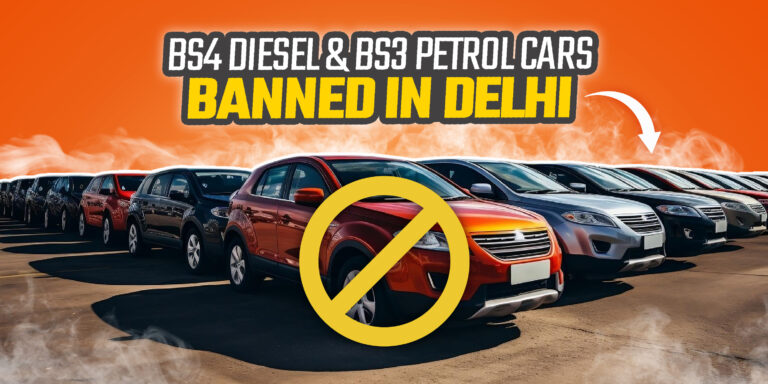
- Quicker bans on BS-III petrol and BS-IV diesel vehicles under Stage 3 & Stage 4
- Immediate halting of construction transport trucks on severe pollution days
- Enhanced checks by Delhi Traffic Police & DPCC teams at major junctions and border points
Real-world GRAP-IV enforcement has already led to near-total bans on the entry of non-essential trucks into Delhi, with only cleaner-fuel vehicles allowed, as reported by
The Economic Times.
2.4 Revised timings for construction & industrial activity
For Delhi:
- Non-essential construction faces earlier evening restrictions
- Hot-mix plants, stone crushers & DG sets face automatic shutdown triggers at higher AQI levels
2.5 School & work-from-home flexibility under Severe+ conditions
For AQI > 450 (Severe+), the Delhi government may implement:
- Partial shift to online classes for schools
- Work-from-home (WFH) advisory for non-essential workplaces and offices
3. GRAP Stages for Delhi (2025 Update)
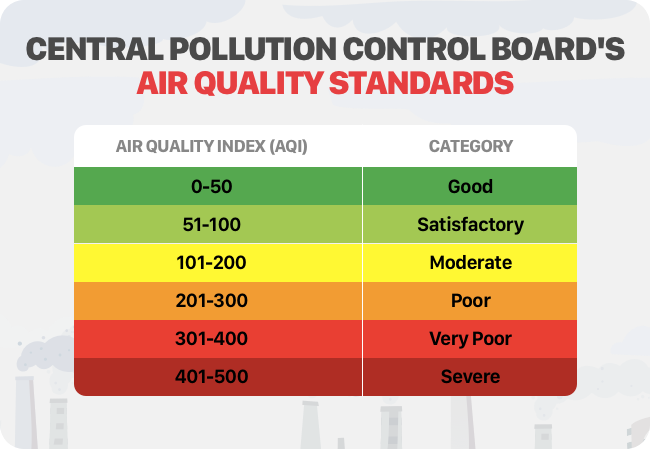
GRAP has four main stages based on daily AQI levels. Here is a quick overview for Delhi:
| Stage |
AQI Range |
Typical Actions in Delhi |
| Stage 1 – Poor |
201–300 |
Road cleaning, water sprinkling, stricter PUC checks |
| Stage 2 – Very Poor |
301–400 |
DG set restrictions, parking fee hikes, dust control drives |
| Stage 3 – Severe |
401–450 |
Ban on non-essential construction, BS-III/IV curbs, truck entry limits |
| Stage 4 – Severe+ |
> 450 |
Construction ban, truck entry ban, school & office curbs |
Stage 1: “Poor” (AQI 201–300)
Actions in Delhi:
- Mechanical road sweeping & water sprinkling on key stretches
- Crackdown on dust at construction sites
- PUC enforcement intensified in Delhi RTO zones (DL01–DL12)
Stage 2: “Very Poor” (AQI 301–400)
More restrictions:
- Ban on diesel generator sets (except for emergency services)
- Strict construction dust control norms at project sites
- Parking fee hikes in busy Delhi markets such as Saket, Lajpat Nagar, Karol Bagh, Rajouri Garden
Stage 3: “Severe” (AQI 401–450)
Major restrictions in Delhi:
- Ban on non-essential construction work
- Ban on BS-III petrol & BS-IV diesel vehicles (with specified exemptions)
- Halt on Delhi-bound diesel trucks (except those carrying essential goods)
- Pollution hotspot crackdowns in Anand Vihar, Wazirpur, Jahangirpuri, Mundka, Okhla and similar areas
Stage 4: “Severe+” (AQI > 450)
Strictest actions:
- Ban on all construction & demolition work (except critical projects)
- Ban on entry of all Delhi-bound commercial trucks (except essential services)
- Shutdown of schools, outdoor sports & open-air activities as per government orders
- Work-from-home advisory for Delhi offices and corporate parks
- Industrial shutdown in hotspots like Jahangirpuri, Bawana, Mundka
4. Delhi’s October–February Pollution Season (What to Expect in 2025)
Delhi usually sees a noticeable pollution spike after Dussehra and Diwali, with peak AQI levels from
mid-November to mid-January.
Key factors behind this winter spike include:
- Stubble burning from neighbouring states like Punjab & Haryana
- Low wind speeds and winter inversion effect that trap pollutants, especially over Lutyens’ Delhi and central zones
- Higher vehicle emissions due to traffic congestion
- Crackers during festival weeks
- Heavy traffic on Ring Road, Outer Ring Road, NH-48 and key border corridors
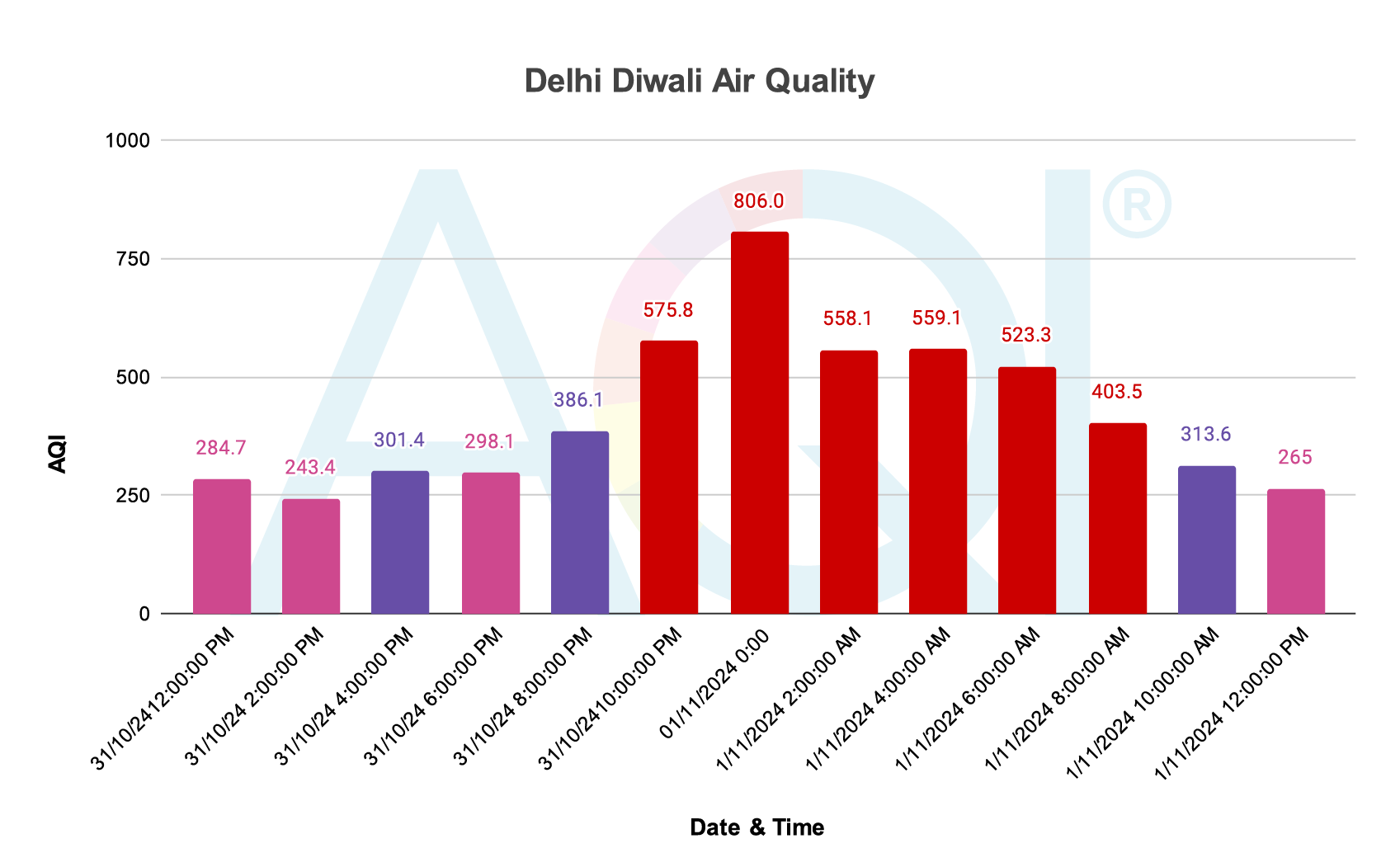
In 2025, Delhi residents should be prepared for rapid GRAP stage changes, possible traffic diversions, and
temporary school or office schedule adjustments on the worst AQI days.
On the logistics side, recent winters have seen strict checks at Delhi borders and entry blocks for non-BS-VI commercial goods vehicles from outside the city, a change that has directly affected truckers and transporters, as highlighted by
The Times of India.
5. How Delhi Residents Should Prepare (2025 Guide)
Here is a practical checklist to stay ready for GRAP Delhi 2025:
5.1 Keep your vehicle compliant
- Get a valid PUCC (Pollution Under Control Certificate) – mandatory under every GRAP stage
- Avoid using BS-III petrol and BS-IV diesel cars during Stage 3 & 4 restrictions
- Use Metro, buses or EV cabs wherever possible during peak restriction days
Fleet owners should also note how quickly such decisions can come into effect; for example, Delhi’s recent order banning older diesel trucks from November 1 under GRAP Stage II, allowing only BS6, CNG, LNG and electric vehicles, as covered by
TrucksBuses.
5.2 Plan construction work before October
If you’re in Delhi or NCR areas like Dwarka, Rohini, Laxmi Nagar, Vasant Kunj, Mayur Vihar:
- Complete major construction and renovation work before September–October
- Keep dust-control materials ready – nets, sprinklers, water spraying equipment, coverings
5.3 Track AQI daily
Use trusted apps and sites such as:
- SAFAR
- CPCB AQI portal
- DPCC (Delhi Pollution Control Committee) website or app
Regular monitoring helps you anticipate stage changes and plan travel, school, or office commutes accordingly.
5.4 Prepare for school & work schedule changes
- Have a backup plan for online schooling for children
- Coordinate with employers for possible WFH days during Severe+ AQI events
5.5 Mask & air-purifier essentials
- Keep N95 masks at home, especially for children, elderly, and asthma patients
- Use home air purifiers in bedrooms and living rooms where possible
- Maintain car cabin filters, especially for Delhi–Gurgaon and Delhi–Noida commuters
6. Delhi Zones Most Affected During GRAP Season (2025)
These Delhi zones frequently record some of the highest AQI levels during winter:
- Anand Vihar, Jahangirpuri, Wazirpur, Vivek Vihar
- Okhla Industrial Area, Mundka, Bawana
- Dwarka Sector-8/21, IGI Airport belt
- Punjabi Bagh, RK Puram, Chirag Delhi, Ashram
- Rohini (Sector 16/17), Pitampura
Residents and businesses in these zones must stay extra alert about GRAP notifications, local enforcement drives,
and possible vehicle or construction restrictions.
Stage-IV episodes have already shown how these curbs ripple through the wider supply chain, with Delhi-NCR businesses reporting higher freight costs, delayed deliveries and cross-border route disruptions, as detailed in
a Logistics Insider report on GRAP-IV and logistics in NCR.
Conclusion
GRAP Delhi 2025 is set to be faster, stricter and more technology-driven than previous years. From real-time CAQM triggers to stronger vehicle, construction and industrial restrictions, Delhi residents must stay prepared from September through February.
Following GRAP rules, keeping your vehicle documents updated, planning construction wisely, and tracking AQI daily can significantly reduce last-minute disruptions to school, work and travel plans.
Staying compliant not only keeps your vehicle safe on Delhi roads but also protects you from sudden restrictions and penalties whenever AQI worsens.
Frequently Asked Questions
What is GRAP in Delhi?
The Graded Response Action Plan (GRAP) is a stage-wise pollution-control plan enforced by CAQM in Delhi-NCR. Different measures are triggered when AQI crosses fixed levels, from “Poor” to “Severe+”.
When does GRAP Delhi 2025 start?
In 2025, GRAP gets pre-activated from the last week of September to prepare for the October–February pollution season. Full measures are applied as AQI crosses each stage threshold.
Are BS-III petrol and BS-IV diesel cars banned under GRAP?
Under Stage 3 and Stage 4, GRAP enables faster bans or restrictions on BS-III petrol and BS-IV diesel cars in Delhi, except for specified essential services or exemptions notified by authorities.
How can I find out which GRAP stage is active in Delhi?
You can check the latest GRAP stage through official updates from CAQM, CPCB, DPCC and Delhi government notifications, or by tracking real-time AQI dashboards and verified news channels.
Does GRAP Delhi 2025 affect schools and offices?
Yes. During Severe+ conditions (AQI > 450), the Delhi government may temporarily shift schools to online mode and issue work-from-home advisories for non-essential offices.
What should Delhi residents do to stay safe during GRAP season?
Residents should keep a valid PUCC, avoid unnecessary driving on severe days, use N95 masks, consider air purifiers indoors, and regularly monitor AQI apps for timely updates.
Does GRAP only apply inside Delhi or the whole NCR?
GRAP is enforced across the Delhi-NCR region, but enforcement is often strictest within Delhi limits and major border points such as Delhi–Gurgaon, Delhi–Noida and Delhi–Ghaziabad corridors.
Will my daily commute be affected by GRAP Delhi 2025?
On severe AQI days, you may face vehicle restrictions, diversions, or truck entry bans along key routes. Using Metro, buses or EV rides can help reduce disruption and pollution exposure.
How does GRAP impact construction projects in Delhi?
During Stage 2 and above, construction sites must follow strict dust-control measures. Under Stage 3 and Stage 4, many non-essential construction and demolition activities are temporarily banned.
Why is it important to stay compliant with GRAP rules?
Compliance helps reduce air pollution, protects public health, and prevents fines, challans or sudden work stoppages. It also ensures your vehicle and property activities remain legally safe during the high-pollution months.