Introduction
If you bought a new vehicle in Haryana recently (or plan to in 2026), you have probably noticed one thing:
the “registration process” is no longer a simple RTO counter activity. Most of it now runs through online systems
and dealer-driven workflows, and the owner usually only experiences the result payment receipts, temporary number,
HSRP fitting, and the RC status message.
That shift is good in theory, but it also creates confusion in real life. Many owners don’t know:
who is supposed to submit what, why the RC status gets stuck, why the chassis/OTP validation fails,
or why the RTO asks for a small correction that delays the smart card for days.
This guide breaks down the online vehicle registration process in Haryana the way it actually works on ground
with practical checkpoints for owners, and clear “what to do next” steps if anything goes off track.
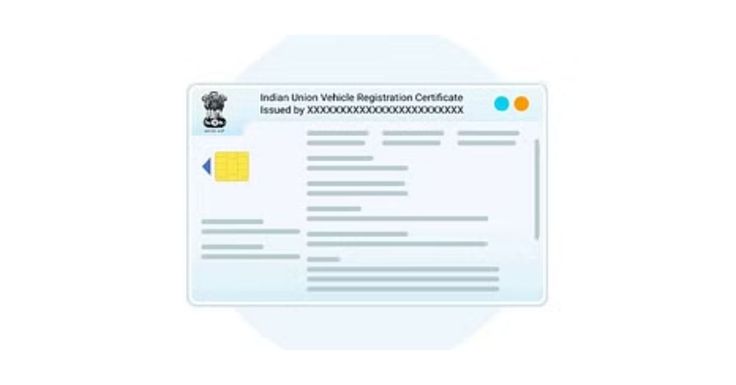
What Has Changed Recently
When people say “online vehicle registration has changed,” they often mean different things. In Haryana, the real changes most private owners notice in 2025–26 are these:
1) Registration is increasingly dealer-driven for new private vehicles
For most new non-transport private vehicles, the registration workflow is largely handled by the dealer through the Vahan ecosystem.
That means owners get fewer RTO visits but also less visibility into what was submitted.
This is why you must know what details to verify (name spelling, address, hypothecation, fuel type, seating capacity, etc.) before the final RC is generated.
2) Validation and tracking have become more system-dependent
Owners now face more “system reality” issues: OTP validation, last-5-digits chassis checks, payment verification, and status stages that don’t move for a while.
Parivahan’s official FAQ itself describes the chassis/OTP validation pattern that many users experience when accessing vehicle services online:
Parivahan (MoRTH) vehicle registration FAQ.
3) More enforcement-linked blocks affect registration related services
Even though this is not “new vehicle registration” directly, it impacts your ability to complete related processes like transfer/NOC later.
For example, recent coverage highlighted that vehicle services like NOC/transfer can be denied if certain dues are pending —
a change that matters a lot for Haryana drivers who frequently use national highways and toll roads:
Times of India coverage on toll-due linked service restrictions.
4) Haryana-side rule updates are tightening compliance expectations
Separate from online portals, Haryana has also announced motor vehicle rule changes (especially around categories and operating limits) which increases the overall “compliance seriousness” in NCR belts.
For context, see recent reporting on Haryana’s motor vehicle rule changes:
Economic Times report on Haryana motor vehicle rule changes.
The takeaway: online registration has become smoother for many people but it is also more “data-sensitive.”
One wrong field, one missing proof, or one payment mismatch can pause the file until it is corrected.
Dealer vs Owner: Who Does What Now
Most confusion comes from one assumption: “If it’s online, I should be able to do everything myself.”
In practice, Haryana works like this for many private purchases:
Dealer typically handles (for new private vehicle purchases)
- Submitting the registration application details in the system
- Uploading sale/invoice-related documents and required forms
- Collecting road tax and registration fees, then paying through the portal
- Processing temporary registration / permanent registration flow depending on vehicle type and timelines
Owner must actively verify
- Your name, address and mobile number (small spelling mistakes create big delays later)
- Hypothecation status if vehicle is financed (bank name must be correct)
- Fuel type, vehicle class, seating capacity — wrong category causes future insurance and fitness/permit confusion
- HSRP fitting status (it becomes a regular checkpoint in NCR corridors)
If your vehicle is financed, your RC will show the bank’s hypothecation entry. Later, when the loan closes,
you’ll need the correct process for Hypothecation Removal in Gurugram
so your RC becomes “clean” for resale or transfer.
Step-by-Step: Online Registration Flow in Haryana
Below is a practical “owner-visible” flow meaning the steps you should expect to see, and the checkpoints where things commonly slow down.
(Exact screens may change, but the workflow logic stays similar.)
Step 1: Purchase, insurance and invoice details get locked
The registration record is built on the invoice and insurance details. If your address proof or name differs across invoice/insurance/Aadhaar,
resolve that before the dealer submits the final registration details. Small mismatches are a common reason for “objection raised.”
Step 2: Road tax + registration fee payment happens online
Owners often think “I paid the dealer, so payment is done.” The real step is: the fee must be successfully paid and reflected in the system.
If payment fails or is pending verification, the file can sit without moving.
Step 3: Temporary registration (where applicable) and number allocation
If a temporary registration is issued, keep that acknowledgement safe. In many real cases, confusion starts when owners drive with a temporary number
but assume permanent registration is already completed.
Step 4: Dealer/RTO verification and approval stage
This is where uploads, forms, and verification happen. If anything is unclear (address proof mismatch, engine/chassis formatting, hypothecation entry),
the file can be sent back for correction.
Step 5: RC generation + dispatch workflow
Once approved, your RC moves to printing/dispatch stages. If it says “Card dispatched” but you haven’t received it after a reasonable period,
it’s usually an address/dispatch issue not a “registration failed” issue.
If you are doing a registration-related service later (transfer, NOC, duplicate RC), you’ll typically access it through the online vehicle service flow and chassis/OTP validation.
If you are facing repeated confusion or failed attempts, it helps to understand the process of your RTO visit + online steps together.
For ownership change cases (buying a used vehicle), don’t treat it like “new registration.” It’s a transfer workflow —
and it is safer to complete Ownership Transfer in Gurugram
properly so you don’t inherit challans, legal notices, or disputes.
Documents, Fees, HSRP & Insurance Checks
Most registration delays are document-quality delays, not “system problems.” In Haryana, the documents are usually straightforward — but the data must match.
What you should keep ready (as an owner)
- Valid address proof used consistently across invoice/insurance submission
- Identity proof (Aadhaar/other valid document as applicable)
- Insurance copy (check that registration number/chassis/engine details are correctly recorded)
- If financed: correct bank name/branch details as provided for hypothecation entry
HSRP and “number plate” compliance is not optional in real life
In NCR-linked corridors, number plate compliance gets checked more often than people expect.
If your HSRP isn’t fitted on time, it becomes a daily driving risk during checks and camera-driven enforcement.
If you drive frequently between cities and highways, treat HSRP completion as part of your registration “finish line.”
Fees reality (what owners should understand)
Your final cost is not only the base registration charge. It typically includes road tax, registration fees, and sometimes additional standard components.
Owners should keep invoices/receipts and ensure the amounts reflect correctly in the transaction trail.
If your RC is lost later which is more common than people admit, you’ll need a proper Duplicate RC
process to avoid being stuck during checks or while selling the vehicle.
RC Status Stuck? Common Reasons & Fixes
If you are seeing "pending," "under process," or no movement for days, don't panic. Most cases fall into a few patterns:
1) Payment verification mismatch
Sometimes payment is "done" but not reflected correctly. The fix is usually dealer side follow-up plus the right transaction reference.
2) Name/address mismatch across documents
A single character mismatch in surname, a different house number format, or a different spelling in insurance can trigger objections.
Correcting it early is easier than correcting it after RC is generated.
3) Hypothecation details entered incorrectly
If the bank name or branch is wrong, it creates problems not only now but later during loan closure.
It is better to correct it now than struggle later for hypothecation termination.
4) RC dispatch issues
If dispatch is shown but RC not received, confirm whether it was returned, stuck, or sent to an old/incorrect address.
If you are facing repeated online errors (OTP, chassis validation, wrong service selected), keep a clean checklist.
If your case requires an inter-state move or file shift, the correct sequence matters (NOC first, then re-registration).
For Haryana owners who move jobs between states, a proper NOC service in Gurugram
prevents the "wrong step first" mistake that wastes weeks.
If your RC status remains stuck despite dealer follow-ups and you need someone on the ground to help navigate the objection,
RTO agents in Gurgaon
who handle these workflows regularly can identify the exact correction needed and push the file through the right channel.
Vehicle Rules and Road Reality in Haryana
Haryana’s driving environment is a mix of fast highways and high-surveillance urban corridors.
In cities like Gurugram and Faridabad, drivers face frequent camera-based checks,
and on major routes (including toll roads), enforcement often becomes “system-linked” meaning paperwork accuracy matters as much as driving skill.
In industrial and transit corridors near Panipat, commercial traffic adds pressure, and routine checks can happen during targeted drives.
What this means for online registration
- If your registration is incomplete or RC details are incorrect, you feel it quickly during checks.
- HSRP and basic document readiness become everyday necessities, not “optional admin work.”
- Owners who delay correcting RC details often face bigger trouble later during resale, insurance claims, or inter-state travel.
Common Haryana mistakes that cause real delays
- Assuming “temporary number is enough” for long highway travel without checking status and receipts
- Not verifying hypothecation entry (then struggling to close it later)
- Ignoring RC dispatch issues until the first serious verification check
- Buying a used vehicle and delaying ownership transfer
A final practical point: Haryana has also seen news coverage around online/transparent processes in government systems and accountability measures.
While not vehicle-specific, it reflects the broader direction: processes are moving online, and the system expects your documents to be correct the first time.
If you handle your registration data carefully, you reduce not only penalties risk, but also day-to-day friction at tolls, checkpoints, and during unexpected verifications.
After Registration: What to Verify Immediately
The day you receive confirmation (or the RC), do these checks, it saves you future headaches:
- Name and address exactly as per your valid ID (future resale depends on this)
- Hypothecation entry correct if financed
- Fuel type and vehicle class correct (important for insurance and compliance)
- Chassis/engine number correctly recorded
If you notice any issue, fix it early because later, it becomes harder when you apply for transfer/NOC/duplicate documents.
Also, if you are updating your driving-side compliance too (renewal, category updates, address updates),
use the right flow for Driving Licence services in Gurugram
so your DL and vehicle records remain consistent.
If you want to keep your ownership trail clean (especially in second-hand purchases or family transfers),
having verified records helps avoid disputes later. In complex matters, some owners also use
NCRB Reports
as part of broader record clarity and due-diligence workflows.
Final Advisory for Haryana Vehicle Owners
Online registration in Haryana is moving in the right direction fewer middlemen, fewer repeated RTO visits, and better tracking.
But that only helps when your data is accurate and your file is complete.
Don’t treat registration as “dealer’s job only.” Treat it as a shared responsibility:
verify your details early, keep your receipts safe, complete number plate compliance, and fix mismatches immediately.
For drivers in Haryana, understanding vehicle compliance isn’t just about avoiding fines. It’s about smoother travel,
fewer delays, and peace of mind on the road.
Frequently Asked Questions
Is vehicle registration in Haryana fully online for private owners now?
For many new private (non-transport) vehicles, the workflow is largely dealer-driven through online systems. As an owner, you usually do not stand in an RTO queue for the full process, but you must verify your details (name, address, hypothecation, vehicle class) because any mismatch can delay RC approval and dispatch.
Why does my Haryana RC status show “pending” for many days?
Most delays happen due to payment verification mismatch, document upload issues, name/address mismatch across invoice and insurance, or hypothecation details needing correction. The best first step is to ask the dealer for the exact objection/remark stage and correct it rather than re-applying.
What is the most important detail to double-check before RC is generated?
Check your name and address spelling and whether hypothecation (bank entry) is correctly recorded if the vehicle is financed. These two errors create the biggest trouble later during resale, transfer, or loan closure.
If my RC is dispatched but I did not receive it, does that mean registration failed?
No. “Dispatched” usually means the registration is completed but delivery may be stuck due to address issues or return-to-sender. Keep your temporary/permanent registration acknowledgements safe and initiate a follow-up quickly so you do not get caught without RC during checks.
Do I need hypothecation removal after my car loan is closed in Haryana?
Yes. If your RC still shows the bank hypothecation entry after loan closure, you should complete Hypothecation Removal in Gurugram. A clean RC avoids problems during sale/transfer and prevents unnecessary objections during future services.
I bought a used vehicle in Haryana. Is that the same as new registration?
No. Used vehicle transactions require an ownership transfer process. If you delay it, you can inherit challans, legal notices, and future disputes. It is safer to complete Ownership Transfer in Gurugram properly so the RC reflects the correct owner.
If I move out of Haryana, what is the correct sequence for re-registration?
In most cases, the safe sequence is NOC from current RTO → move vehicle → re-registration in the new state. Starting in the wrong order often causes file movement issues. For help with the correct flow, refer to NOC service in Gurugram.
What should I do if my RC is lost after registration?
If your RC is lost, replace it through a proper Duplicate RC in Gurugram process. Driving without RC (physical or valid digital proof, as applicable) increases risk during checks, and it creates problems during resale/transfer.
Why do online registration and compliance matter more in Haryana’s NCR belt?
Because enforcement is active around NCR corridors — cameras, junction checks, toll-linked verification, and targeted drives. Small paperwork gaps become daily friction. Keeping your registration and RC details correct reduces both penalties risk and travel delays.
If I am confused between RC services, DL services, and police verification, where should I start?
Start with what your problem actually is: RC correction/duplicate/transfer for vehicle record issues, DL services for licence record issues, and only then additional verification steps if a specific situation demands it. For licence-side workflows, see Driving License services in Gurugram. For record clarity in complex matters, some people also refer to NCRB Reports.