Introduction
Every year from October to February, the air quality in Delhi, New Delhi, Dwarka, Rohini,
Lajpat Nagar, Mayur Vihar, Karol Bagh, Shahdara, Saket and all DL01–DL12 RTO zones drops sharply
due to winter smog. To control vehicular emissions, the Commission for Air Quality Management (CAQM)
activates the Graded Response Action Plan (GRAP).
If you drive a private, commercial or public vehicle in Delhi, preparing in advance helps you avoid
fines, challans and sudden restrictions when AQI turns Very Poor, Severe or Severe+.
Recent GRAP orders have already led to truck-entry bans, diversions for non-compliant goods vehicles and new rules for outside-registered commercial fleets, disrupting daily transport and logistics around Delhi’s borders
(case example 1,
case example 2).
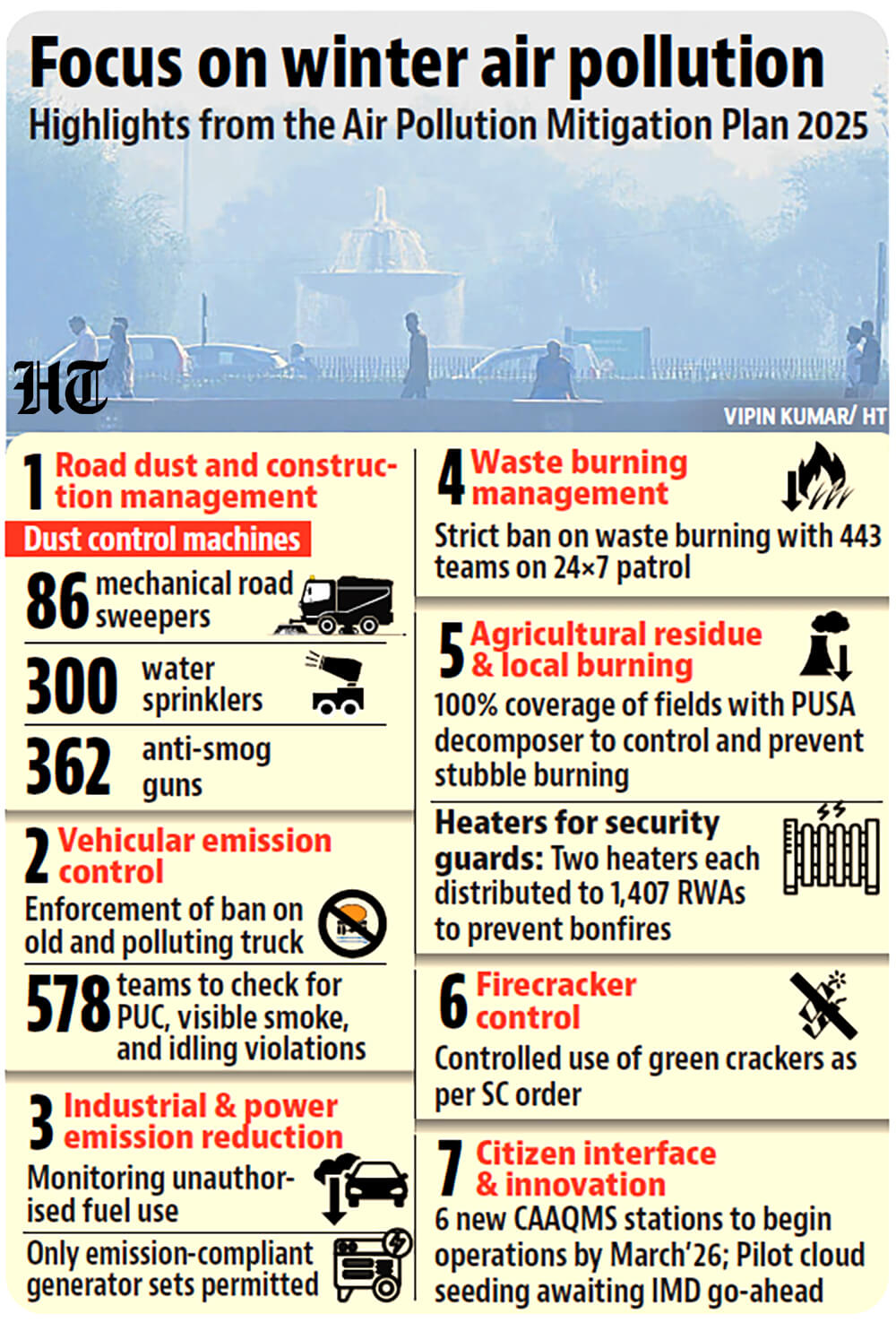
This guide gives you a complete GRAP-season checklist including:
- PUCC validity and pollution certificate rules in Delhi
- Colour-coded fuel stickers and enforcement hotspots
- Vehicle servicing and health checks before winter
- Age limits for petrol and diesel vehicles in Delhi
- Essential RTO documents you must carry
- Checking outstanding challans online
- Smart driving habits during high-AQI days
Everything is Delhi-specific and tailored to real-world enforcement across DL01–DL12.
1. Check PUCC validity (mandatory in Delhi during GRAP)
Delhi has some of the strictest Pollution Under Control Certificate (PUCC) rules in India. During
GRAP months, traffic police increase checks across:
- India Gate, Connaught Place (CP), ITO
- Dwarka Mor, Uttam Nagar, Janakpuri
- Rohini, Pitampura, Model Town
- Loni Road, Shahdara, Seemapuri
- Saket, Malviya Nagar, Vasant Kunj
What you must do
- Ensure your PUCC (Pollution Under Control Certificate) is valid on all GRAP days.
- Petrol/CNG vehicles: PUCC is usually valid for 1 year.
- Diesel vehicles: PUCC is generally valid for 6 months.
- Get your PUCC from any authorised centre connected to Delhi Transport’s emission servers.
Why this matters
- Vehicles without a valid PUCC may be blocked at Delhi RTO systems.
- Heavy fines apply — often around ₹10,000 challan + vehicle impound under Motor Vehicle Act provisions.
- PUCC status may be checked while processing RC transfer, NOC, fitness renewal or permit work.
In late 2025, for example,Delhi Traffic Police issued nearly 47,000 challans in just a few weeks for vehicles running without valid PUCC during intensified GRAP enforcement drives.
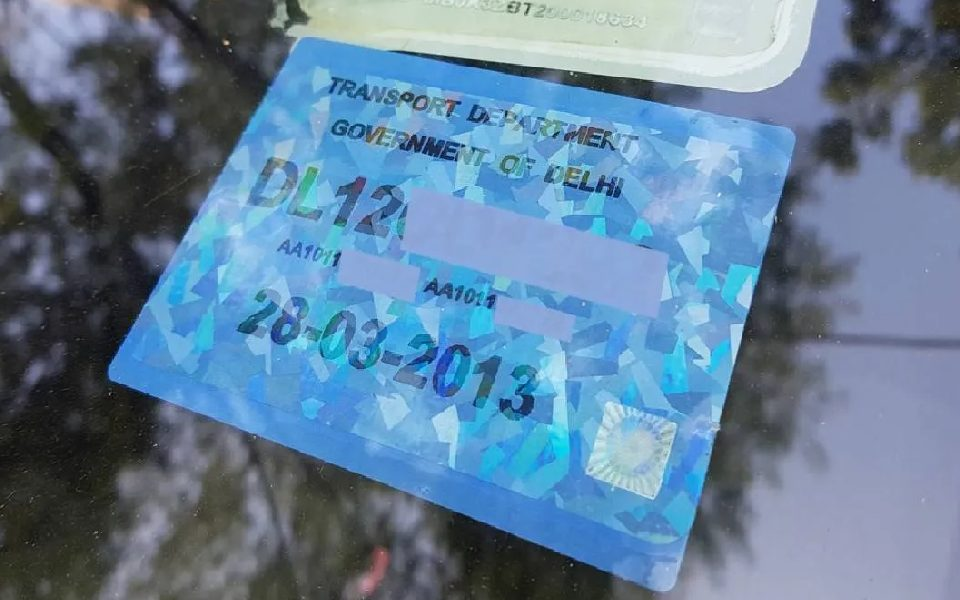
2. Install/update colour-coded pollution stickers (hologram stickers)
Delhi mandates colour-coded fuel stickers (also called hologram stickers) to identify the fuel type
of vehicles quickly during GRAP enforcement.
| Fuel Type |
Sticker Colour |
Required In |
| Petrol & CNG |
Blue Sticker |
All of Delhi |
| Diesel |
Orange Sticker |
All of Delhi |
Traffic police frequently check stickers at:
Delhi Cantonment, South Extension, Bhikaji Cama Place, Noida–Delhi border, Gurgaon–Delhi border and NH-48 crossings.
Tip: Get stickers from an authorised vendor or PUCC centre before GRAP restrictions intensify.
Incorrect or missing stickers can lead to challans and doubts about your vehicle’s fuel type.
3. Full vehicle servicing before winter pollution season
Delhi’s combination of pollution, dust and low winter temperatures affects vehicle performance and
emissions. Before peak smog months (October–February), complete a full service.
Key servicing checks
- Engine tuning: A tuned engine emits less PM and NOx, helping you stay compliant under GRAP.
- Air filter & cabin filter cleaning: Delhi dust and smog clog filters quickly, especially on:
- Outer Ring Road
- NH-44 (Karnal Road stretch)
- Mehrauli–Badarpur Road
- Tyre check: Under-inflated tyres increase fuel use and emissions.
- Battery check: Winter starts are tougher; a weak battery can leave you stranded in restricted zones.
Regular servicing not only reduces emissions but also improves mileage, safety and reliability when
GRAP-related traffic diversions or restrictions are in force.
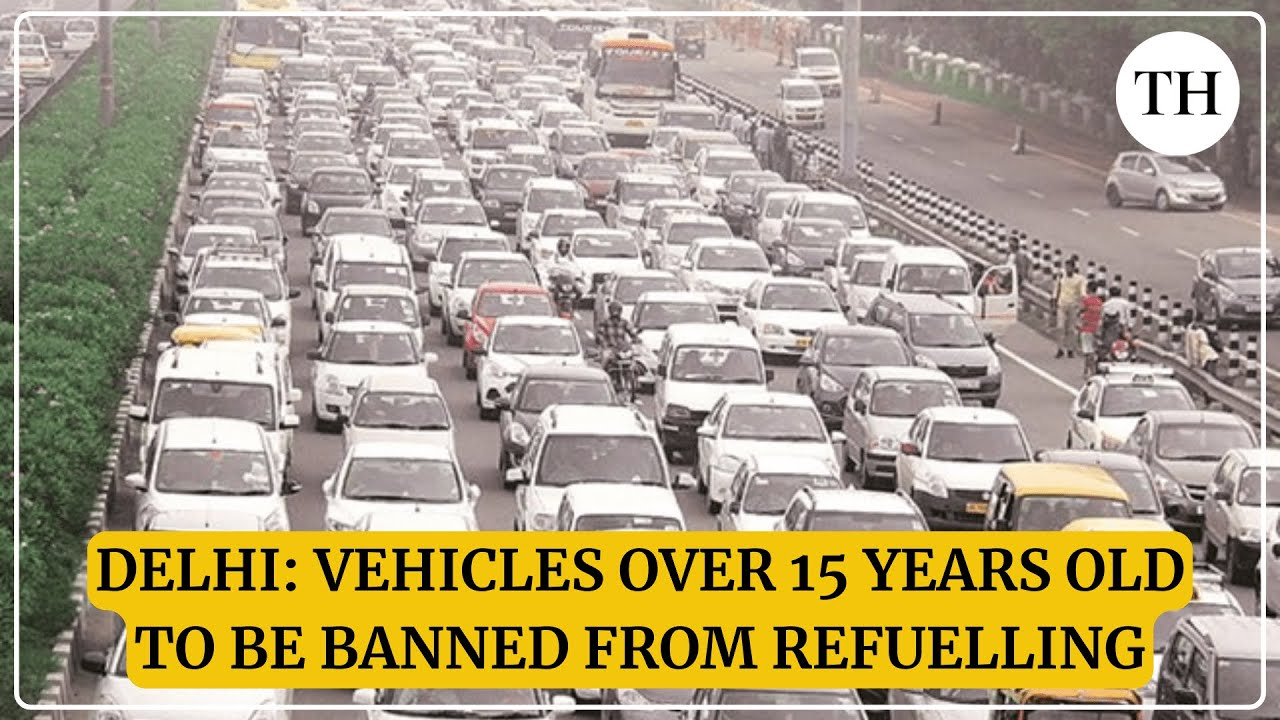
4. Check vehicle age – Delhi’s strict 10-year & 15-year rules
Delhi has unique vehicle age restrictions that become even more important during winter pollution months:
- Diesel vehicles above 10 years → Not allowed to operate in Delhi.
- Petrol vehicles above 15 years → Not allowed to operate in Delhi.
Enforcement covers all DL01 to DL12 zones, with high action around:
Sarai Kale Khan, Rajouri Garden, Yamuna Vihar, Azadpur, Najafgarh and key border points.
If your vehicle is near the age limit
- Plan early for NOC if you want to move the vehicle to another state.
- Consider Vehicle Scrapping under the Delhi Vehicle Scrappage Policy 2025.
- Talk to a trusted Delhi RTO agent to avoid last-minute problems with RC, permits or insurance.
5. Keep essential RTO documents ready (Delhi roadside checks)
During GRAP, Delhi Police and Transport Department conduct frequent roadside checks. You must have
valid and accessible documents at all times.
Must-carry documents in Delhi
- Valid PUCC
- Original / digital RC (Registration Certificate)
- Valid Driving Licence
- Insurance Certificate
- HSRP and colour-coded sticker (for applicable vehicles)
- Permit + Fitness Certificate (for commercial/transport vehicles)
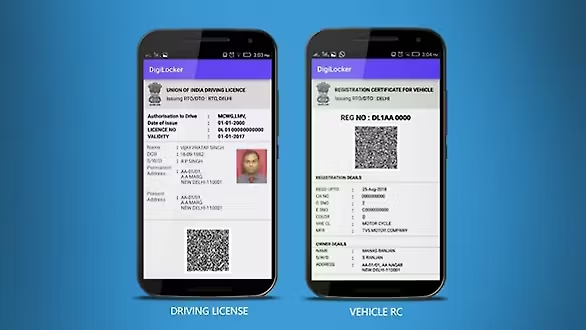
Keep digital copies ready on:
DigiLocker and mParivahan / Parivahan apps – both are widely accepted by Delhi enforcement teams.
6. Check and clear outstanding challans in Delhi
During the October–February GRAP period, unresolved challans can cause:
- Delays or blocks in RTO services (RC transfer, NOC, permit renewal, fitness).
- Higher risk of vehicle seizure during special enforcement drives.
How to check challans online
- Visit the official Delhi Traffic Police challan portal.
- Use the Parivahan e-Challan portal to search by registration number or DL number.
Checking is especially important if you regularly drive through:
AIIMS–Moolchand stretch, ITO corridor, Punjabi Bagh–Paschim Vihar and other high-enforcement zones.
7. Reduce driving on high-AQI days in Delhi
When AQI crosses 400–450 (Severe / Severe+), Delhi NCR issues advisories and GRAP stages that restrict
certain vehicle categories and movement.
Smarter travel choices
As far as possible, during peak smog days:
- Use Metro (Yellow Line, Blue Line, Pink Line and other routes) for major office commutes.
- Prefer e-buses, pooled cabs or office shuttles.
- Walk or cycle for short neighbourhood distances where safe.
What to avoid
- Unnecessary idling in traffic at busy junctions.
- Driving during 8 AM–12 PM peak smoke + fog hours when visibility and AQI are worst.
- Using non-essential private cars when GRAP stages advise cutbacks.
These steps reduce your personal exposure to pollution, lower emissions and help Delhi meet GRAP targets.
At the same time, on-ground reports show that even with bans on many categories of trucks and commercial vehicles under GRAP, NO₂ levels can remain high in Delhi because of festival traffic and logistics rush.
8. GRAP season vehicle checklist (Delhi quick reference)
Use this simple checklist to stay compliant across DL01–DL12 from October to February.
Before October (pre-GRAP preparation)
- PUCC valid and updated
- Pollution sticker (blue/orange) fixed correctly
- Full vehicle servicing completed
- Insurance, RC and DL checked
- Fitness and permit (commercial vehicles) renewed
During October–February (active GRAP season)
- Avoid driving in identified high-AQI zones when possible.
- Follow Stage 2 & Stage 3 GRAP restrictions carefully.
- Do not use BS-III petrol / BS-IV diesel vehicles during banned periods.
- Check online for challans every few weeks.
- Carry all documents (physical or digital) during every Delhi trip.
The 2025 decision to ban entry of most polluting commercial vehicles registered outside Delhi from 1 November is a clear example of how GRAP-linked orders can instantly change logistics routes and delivery timelines for transporters.
How Fateh Legacy helps during GRAP season in Delhi
Even if you keep your vehicle in good condition, many Delhi vehicle owners face paperwork and compliance issues
during GRAP months — expired PUCC, old RC data, pending challans or confusion about age limits and NOCs.
This is where Fateh Legacy can support you as a trusted Delhi RTO partner.
With Fateh Legacy, you can:
- Get step-by-step assistance for PUCC, fitness and emission-related documentation.
- Simplify ownership transfer, NOC, hypothecation removal and duplicate RC across DL01–DL12.
- Understand age limit and scrappage rules for petrol and diesel vehicles in Delhi.
- Receive clear checklists so your file is not rejected at RTO counters.
Need GRAP-season help with PUCC, challans or RC issues in Delhi?
Fateh Legacy assists Delhi vehicle owners with GRAP compliance, PUCC, ownership transfer, NOC, hypothecation removal,
duplicate RC and Driving Licence work so you do not get stuck during winter pollution drives.
Talk to our Delhi RTO Expert
Conclusion
Preparing your vehicle early for GRAP season in Delhi ensures smoother, safer and more compliant travel
across DL01–DL12 from October to February. With updated PUCC, correct pollution stickers, essential documents
and basic servicing, you reduce the chance of challans and breakdowns in high-enforcement zones.
Staying compliant not only keeps your vehicle safe on Delhi roads but also protects you from sudden restrictions
whenever AQI worsens. It is a small effort that makes a big difference to your peace of mind and Delhi’s air quality.
Frequently Asked Questions
Is PUCC mandatory during GRAP season in Delhi?
Yes. A valid PUCC (Pollution Under Control Certificate) is mandatory for all vehicles operating in Delhi, especially during GRAP months. Vehicles without a valid PUCC can face heavy challans and may be flagged in Delhi RTO systems.
How often should I renew PUCC for petrol and diesel vehicles in Delhi?
In most cases, petrol and CNG vehicles must renew PUCC every 12 months, while diesel vehicles usually need PUCC renewal every 6 months. Always follow the validity dates printed on your certificate and renew before expiry.
Are colour-coded stickers compulsory in Delhi?
Yes. Colour-coded fuel stickers are compulsory in Delhi to indicate the fuel type of your vehicle. Petrol and CNG vehicles typically use a blue sticker, while diesel vehicles use an orange sticker. Missing stickers can lead to challans, especially during GRAP drives.
Can I drive a 10+ year old diesel car in Delhi during GRAP?
No. In Delhi, diesel vehicles older than 10 years are not allowed to operate, irrespective of GRAP stage. Similarly, petrol vehicles older than 15 years are banned. These rules are enforced throughout the year and are closely monitored during winter pollution months.
Which documents should I always carry in my vehicle in Delhi?
You should always carry a valid PUCC, RC, Driving Licence, Insurance and, where applicable, Fitness Certificate and Permit for commercial vehicles. Digital copies in DigiLocker or mParivahan are widely accepted by Delhi enforcement teams.
How can I check if I have any pending challans in Delhi?
You can check pending challans using the Delhi Traffic Police challan portal or the Parivahan e-Challan website. Search using your vehicle registration number, DL number or challan number and clear dues before GRAP enforcement picks up.
What should I do if my vehicle is near the age limit in Delhi?
If your diesel vehicle is near 10 years or your petrol vehicle is near 15 years, plan early. Options include applying for an NOC to another state or using an authorised scrappage facility. An experienced Delhi RTO agent can help you choose the right route.
Does GRAP affect RC transfer and NOC work in Delhi?
Yes. During GRAP, stricter checks on PUCC, challans and vehicle age can indirectly affect RC transfer, NOC and permit work. Keeping your documents, PUCC and challans updated helps your RTO file move smoothly, even in winter months.
How does Fateh Legacy help with GRAP-related compliance?
Fateh Legacy helps Delhi vehicle owners with PUCC guidance, challan assistance, RC transfer, NOC, hypothecation removal and duplicate RC. We provide checklists and end-to-end support so you stay compliant during GRAP season without multiple RTO visits.
Can I rely only on public transport during severe AQI days?
While it is not legally compulsory to stop using your private vehicle, Delhi government advisories under GRAP encourage using Metro, buses and shared mobility on high-AQI days. This reduces congestion, emissions and your personal exposure to pollution.