Introduction
GRAP rules in Delhi now work closely with RTO compliance requirements, making it important for all vehicle owners to follow the updated norms in 2025. As pollution stages increase, authorities strictly check PUCC validity, vehicle age limits (10-year diesel / 15-year petrol), commercial permits, and fitness certificates across all DL01–DL12 RTO zones.
These rules also impact key RTO services like RC Transfer, NOC, Fitness Renewal, Duplicate RC, and commercial permit updates. Any missing document or non-compliance can lead to challans, entry restrictions, file rejection or delays.
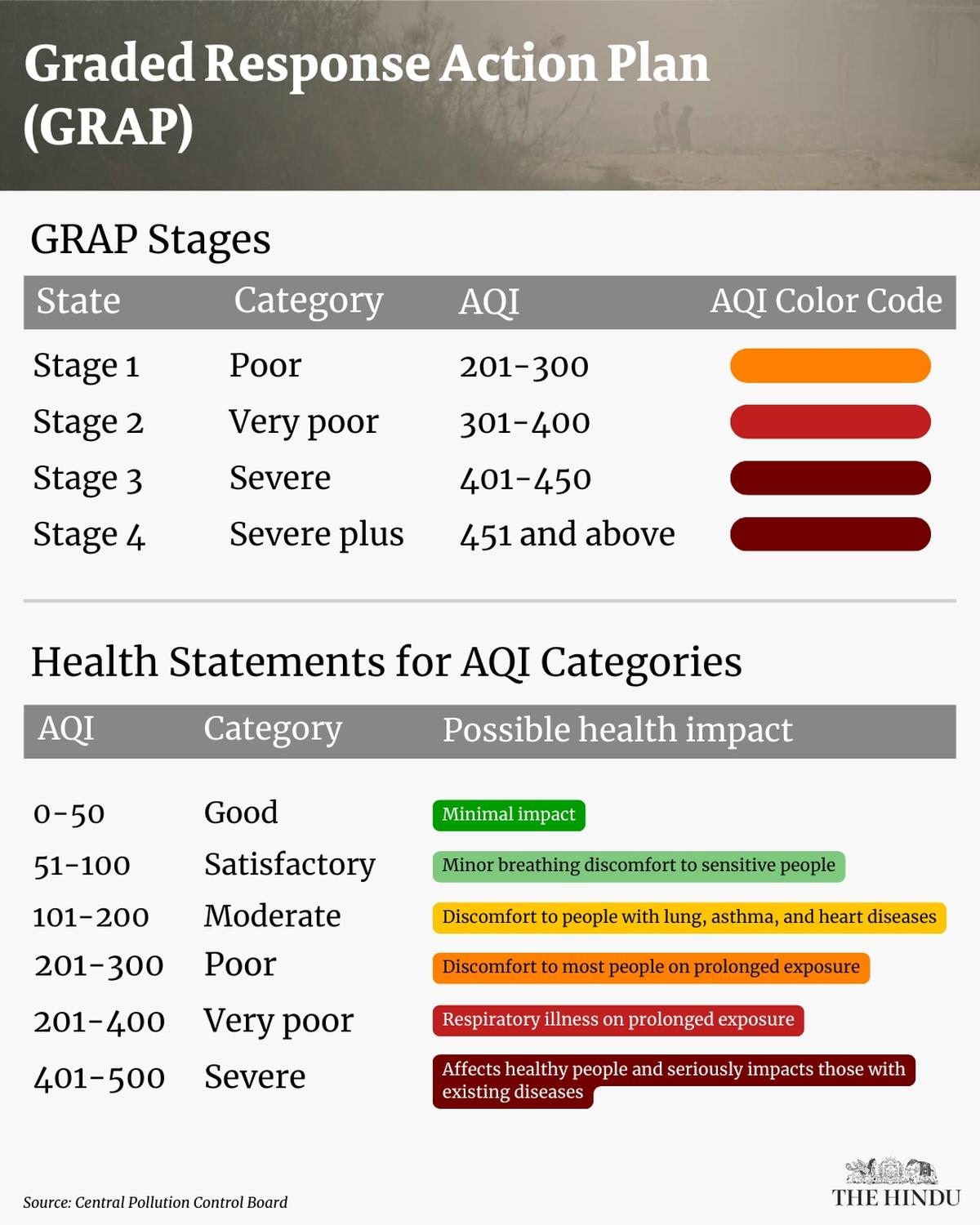
This short 2025 guide highlights the essential PUCC rules, vehicle age norms, permits and penalties you must follow to stay fully compliant during GRAP restrictions in Delhi.
1. Delhi PUCC rules during GRAP (2025 update)
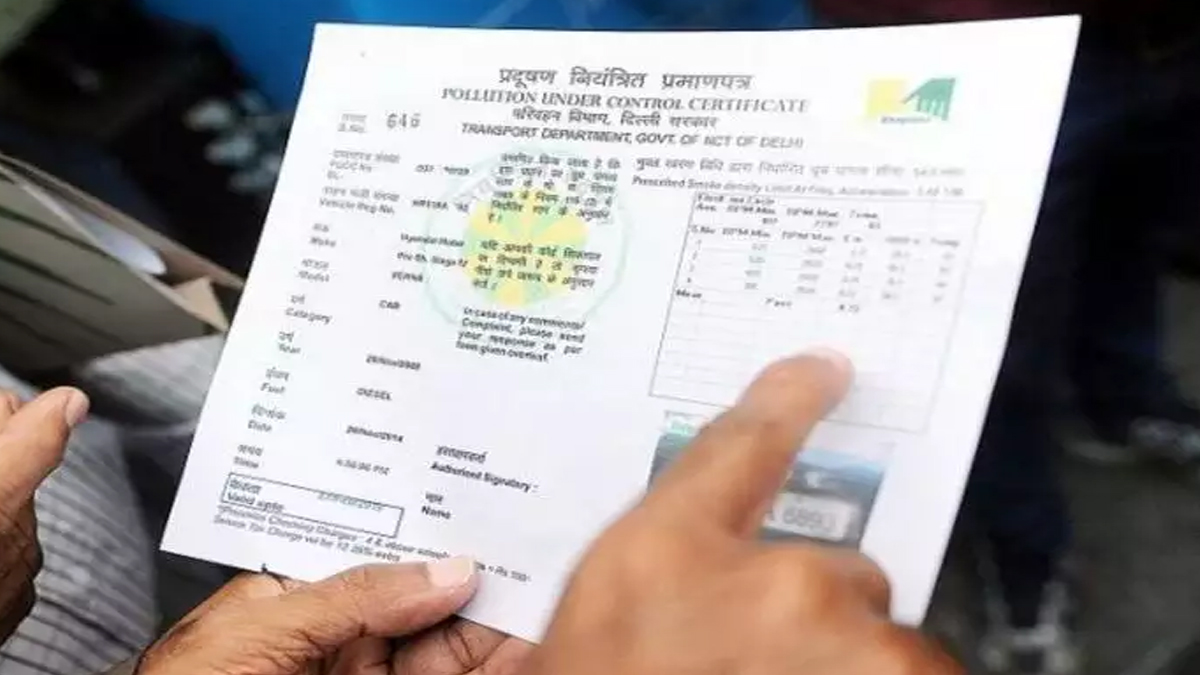
In Delhi, having a valid PUCC (Pollution Under Control Certificate) is not optional –
it is compulsory for all petrol, diesel, CNG and commercial vehicles.
When GRAP is active, enforcement simply becomes more intense.
The Delhi Transport Department and enforcement teams regularly check PUCC at
petrol pumps and designated emission testing centres across the city. You can verify or
pay PUCC-related fines online using the official PUC Certificate services on Parivahan.
During GRAP season in Delhi:
- Traffic police run special drives at locations like Ashram, ITO, Dhaula Kuan, Mukarba Chowk, Sarai Kale Khan, Wazirabad and border points.
- Vehicles without a valid PUCC can face penalties of up to ₹10,000 under the Motor Vehicles Act, along with possible RC-related action.
- Non-compliant vehicles may also struggle to get RC transfer, NOC, Fitness or Permit approved during GRAP months.
Action tip for Delhi vehicle owners:
- Before October, renew your PUCC and keep both a soft copy and a hard copy.
- Always carry PUCC along with your RC and insurance whenever you drive or visit an RTO.
2. Vehicle age rules in Delhi during GRAP
Delhi has long followed the principle that:
- Diesel vehicles older than 10 years
- Petrol vehicles older than 15 years
should not be allowed to ply in Delhi-NCR, as per key orders issued by GNCTD and related authorities.
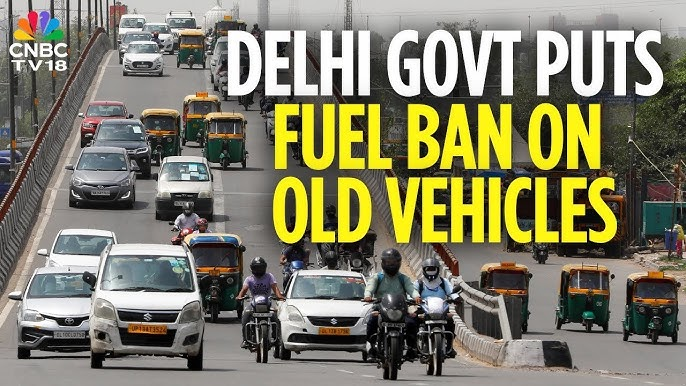
However, in August 2025, the Supreme Court directed that no coercive action be taken
for the time being against owners of such 10-year diesel and 15-year petrol vehicles in Delhi-NCR while it
reviews the earlier blanket ban. In simple words, the policy is under legal review, but the
underlying concern about old, polluting vehicles continues.
From a practical RTO & compliance angle in Delhi:
- Many RTO processes (renewal, re-registration within Delhi, etc.) still treat very old vehicles as non-compliant.
- You may be advised to scrap the vehicle or take an NOC to another state where age norms differ.
- During higher GRAP stages, checks on older diesel and petrol vehicles become stricter, especially near borders.
Action tip:
- If your Delhi vehicle is close to the 10-year (diesel) or 15-year (petrol) mark, plan early for scrappage or NOC.
- Avoid waiting until the last GRAP stage when enforcement and confusion are both at their peak.
3. GRAP stages & vehicle restrictions affecting Delhi RTO work
The CAQM GRAP Orders frequently notify which GRAP stage (I–IV) is active in Delhi-NCR
and what actions are triggered. As stages rise, more vehicle restrictions come into force.
Typical impacts include:
- Stage II–III: Stricter PUCC checks, heavier fines for visibly polluting vehicles.
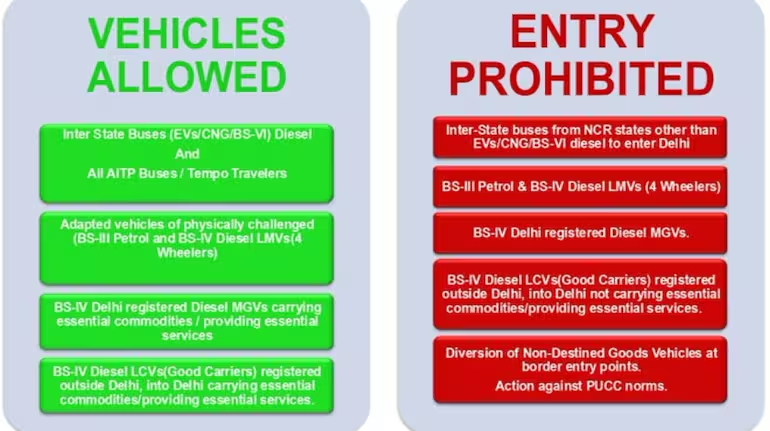
- Stage III: Restrictions on BS-III petrol and BS-IV diesel LMVs (with limited exceptions for essential services).
- Stage III–IV: Diversion or bans on non-destined goods vehicles at Delhi borders and industrial belts.
- Increased use of ANPR cameras and mobile teams to detect non-compliant vehicles.
Recent news coverage and
transport updates
have explained how GRAP Stage III bans certain BS-III petrol and BS-IV diesel vehicles in Delhi-NCR, directly affecting which vehicles can enter or operate in the city.
When such restrictions apply, they indirectly affect your RTO work because:
- Vehicles may not be allowed to enter Central Delhi, East Delhi, New Delhi for inspection or verification.
- Files related to older, high-emission vehicles can face extra scrutiny before approval.
- Logistics and commercial fleets using banned categories risk border turn-backs, delaying permit or fitness-related work.
4. Permit & fitness rules for commercial vehicles in Delhi during GRAP
If you own a commercial vehicle in Delhi – goods carrier, taxi, bus, school cab or contractor
vehicle – GRAP makes compliance even more critical. Authorities look closely at whether:
- Your permit is valid (State / All-India / National as applicable).
- Your Fitness Certificate (FC) is not expired.
- Your PUCC is valid and recent.
- Your vehicle category (diesel, CNG, BS-IV/BS-VI, electric) is actually allowed to enter Delhi under the current GRAP stage.
Before accepting a trip into Central Delhi, East Delhi, Rohini, Dwarka, Okhla industrial areas or
border-adjacent hubs, always check:
- The current GRAP stage in Delhi.
- The latest Transport Department orders on which commercial vehicles are permitted.
- Whether your route crosses any strictly monitored border points.
Many truck drivers have already expressed concern about their livelihoods when GRAP-III restrictions limit the movement of BS-III petrol and BS-IV diesel vehicles in and around Delhi.
Action tip for commercial owners in Delhi:
- Maintain a permit & fitness folder (digital + physical) with all documents updated.
- Brief your drivers on GRAP rules so they do not get stuck or turned back at Delhi borders.
5. Penalty rules & enforcement in Delhi
Enforcement is handled jointly by the Transport Department, Delhi Traffic Police and other agencies.
During GRAP season, vehicle owners in Delhi can expect stricter checks and faster challan issuance.
| Violation (GRAP season, Delhi) |
Typical impact / penalty* |
| No valid PUCC |
Fine up to ₹10,000 + possible RC-related action |
| Using banned category vehicle in restricted zone |
Vehicle diversion, possible impounding or environmental fine |
| Permit expired while operating |
Hefty penalty + vehicle may be taken off-road |
| No Fitness Certificate (FC) for commercial vehicles |
Fine + potential seizure or halt of operations |
| Violating GRAP diesel bans at Delhi borders |
Turned back at border + challan or prosecution |
*Exact penalties depend on the Motor Vehicles Act, state rules and the latest GRAP / Transport orders in force. Recent
Delhi Traffic Police data
shows how GRAP checks have led to large PUC challan amounts and diversion of non-destined trucks at city borders.
6. RTO services in Delhi most affected during GRAP
When higher GRAP stages are active, Delhi residents often face delays or extra scrutiny in
the following RTO services:
- Ownership Transfer / RC Transfer within Delhi
- NOC for moving the vehicle out of Delhi-NCR
- Hypothecation removal (loan closure)
- Commercial permit grant/renewal
- Fitness Certificate renewal for goods and passenger vehicles
- Duplicate RC or address change in RC
If your PUCC, insurance, vehicle age or challan status is not clean, your file can get stuck even at
busy RTOs like Mall Road (DL01), Janakpuri (DL04), Vasant Vihar (DL09), Rohini (DL11) and other zones.
Transport associations have also warned that GRAP entry curbs on older commercial vehicles can
push up logistics costs and prices, especially when non-BS-VI trucks from neighbouring states are restricted at Delhi borders.
“GRAP-season RTO File Check” – a smart step before applying
Before submitting any application during GRAP months, it is wise to run a quick RTO compliance audit of your vehicle.
This can cover:
- PUCC status
- Pending challans
- Vehicle age and eligibility in Delhi
- Permit & Fitness validity (for commercial vehicles)
- Basic document checklist for the service you want (RC transfer, NOC, Fitness, etc.)
7. GRAP-season RTO compliance checklist for Delhi vehicle owners
Use this checklist as a quick reference before GRAP season or any RTO visit in Delhi.
A. For private car & bike owners in Delhi
- PUCC valid (preferably at least 30+ days left).
- Insurance not expired.
- No pending e-challans on Delhi Police / Parivahan portals.
- Vehicle not in the high-risk 10-year diesel / 15-year petrol category, or scrappage/NOC already planned.
- RC name & address updated, especially after selling or shifting locality.
B. For commercial & goods vehicles operating in Delhi
- Valid State / National permit with Delhi covered (if required).
- Fitness Certificate up to date.
- PUCC & Insurance renewed and available in digital form.
- Vehicle category (BS-IV/BS-VI diesel, CNG, electric) is allowed in Delhi under the current GRAP stage.
- Route planned to follow border and internal restrictions notified by Transport & CAQM orders.
8. How Delhi residents should prepare before October every year
To stay compliant and avoid stress during Delhi's October–February GRAP season, follow these steps:
- Update PUCC in September – don't wait for challan drives to start.
- Clear challans early – use Parivahan & Delhi Police portals before applying for RC, NOC or permit work.
- Check vehicle age – if nearing the 10/15-year mark, consider scrappage or NOC to another state well in advance.
- For commercial vehicles, track CAQM & Transport Department orders regularly, especially if you operate near borders or industrial zones.
- Keep digital copies of PUCC, insurance, RC, permit & Fitness on your phone (DigiLocker / mParivahan) for quick checks.
How Fateh Legacy helps with GRAP-season RTO work in Delhi
GRAP rules, PUCC checks, vehicle age norms and commercial restrictions can be confusing for busy vehicle owners and fleet operators.
Fateh Legacy helps Delhi residents stay compliant and avoid last-minute surprises.
With Fateh Legacy, you can:
- Get a GRAP-season RTO File Check for PUCC, challans, age status, permit and Fitness validity.
- Simplify RC Transfer, NOC, Hypothecation Removal, Duplicate RC and DL work across all DL01–DL12 RTOs.
- Receive clear checklists so your documents are correct the first time.
Need help with GRAP-season RTO compliance in Delhi?
Fateh Legacy assists Delhi vehicle owners and commercial fleets with PUCC, challans, RC Transfer, NOC, permit & Fitness work,
so you stay compliant even when GRAP restrictions tighten.
Talk to our Delhi RTO Expert
Conclusion
Staying RTO-compliant during GRAP season in Delhi is essential for anyone driving or applying for
services like RC Transfer, NOC, Fitness Certificate or Permit Renewal. With stricter PUCC checks,
vehicle-age scrutiny, commercial permit rules and border enforcement across Delhi's DL01–DL12 zones,
even small lapses can lead to fines or delays.
Preparing early – updating PUCC, clearing challans, checking vehicle age, tracking GRAP stages and keeping all
documents ready – ensures smooth movement and hassle-free RTO approvals throughout Delhi's October–February
pollution months.
Staying compliant not only keeps your vehicle safe on Delhi roads but also protects you from sudden restrictions
whenever AQI worsens.
Frequently Asked Questions
Is PUCC mandatory in Delhi only during GRAP season?
No. PUCC is mandatory throughout the year in Delhi for all fuel types. GRAP season simply increases roadside checks and the chances of getting a challan if your PUCC is missing or expired.
What happens if my diesel car is older than 10 years in Delhi?
Officially, Delhi follows the 10-year diesel / 15-year petrol principle, though its implementation is under legal review. In practice, very old vehicles face stricter scrutiny in RTO processes, and you may be advised to scrap the vehicle or take an NOC to another state.
Do GRAP restrictions affect RC transfer and NOC work in Delhi?
Yes. During higher GRAP stages, RTOs and enforcement agencies look closely at PUCC, vehicle age, challans and permits. If anything is non-compliant, your RC transfer, NOC or Fitness file can get delayed or queried.
How can I check which GRAP stage is active in Delhi?
You can refer to official CAQM notifications and Delhi government advisories published online or in the news. Many portals and news channels show which GRAP stage (I–IV) is active and what vehicle restrictions are triggered.
What documents should I carry while driving in Delhi during GRAP season?
Carry at least a valid PUCC, insurance, RC and, for commercial vehicles, permit & Fitness Certificate. Keeping digital copies in DigiLocker or mParivahan is also recommended.
Are commercial vehicles always banned during GRAP Stage III or IV?
No. GRAP usually targets specific categories such as non-destined or highly polluting goods vehicles. Essential services and compliant categories (for example, some CNG or BS-VI vehicles) may still be allowed, depending on the latest orders.
Can Fateh Legacy help me if my file is stuck due to PUCC or challan issues?
Yes. Fateh Legacy can guide you on clearing PUCC, challan and document issues, and help prepare your file correctly for RC transfer, NOC, permit, Fitness or Duplicate RC in Delhi.
Do I need to stop driving my old diesel or petrol car immediately in Delhi?
That depends on the latest court and government orders. Even when no coercive action is temporarily ordered, it is wise to plan early for scrappage or NOC if your vehicle is reaching the 10/15-year age mark.
How often should I renew PUCC in Delhi?
PUCC validity depends on the vehicle type and fuel. As a safe practice, renew it before expiry and ideally before September each year so that you are covered throughout the GRAP period.
Can GRAP rules change in the middle of the season?
Yes. GRAP stages are activated or relaxed based on daily AQI levels. Rules can tighten or ease within a few days, so it is important to track updates and keep your vehicle compliant at all times.