Introduction
GRAP (Graded Response Action Plan), enforced by the Commission for Air Quality Management (CAQM),
has become a major factor in how vehicles are allowed to move, transfer, exit or operate across
Delhi, New Delhi, Dwarka, Rohini, Karol Bagh, Saket, Shahdara, Mayur Vihar, Pitampura and all
DL01–DL12 RTO zones. These rules influence everything from RC transfers and NOCs to
vehicle age limits, PUCC compliance, fitness certificates and daily enforcement.
Most Delhi vehicle owners are unaware of frequent GRAP notifications, Transport Department circulars
or AQI-based restrictions. This lack of clarity often leads to penalties, challans, delays and RTO
file rejections. Recent GRAP-IV orders that prohibit entry of many trucks and commercial vehicles into Delhi show how quickly rules can change for transport and logistics. In such situations, the role of a well-informed Delhi RTO agent becomes
extremely important.
A GRAP-aware RTO agent helps vehicle owners by:
- Preventing delays in RC transfer, NOC, fitness, permits and scrapping documentation
- Protecting customers from unexpected restrictions, challans and enforcement issues
- Clarifying which vehicles can legally run, transfer or exit Delhi during different GRAP stages
This guide explains why staying updated with GRAP is essential for Delhi RTO agents and how this
directly benefits thousands of vehicle owners across Delhi-NCR in 2025.
1. GRAP rules change every year — RTO agents must track updates daily
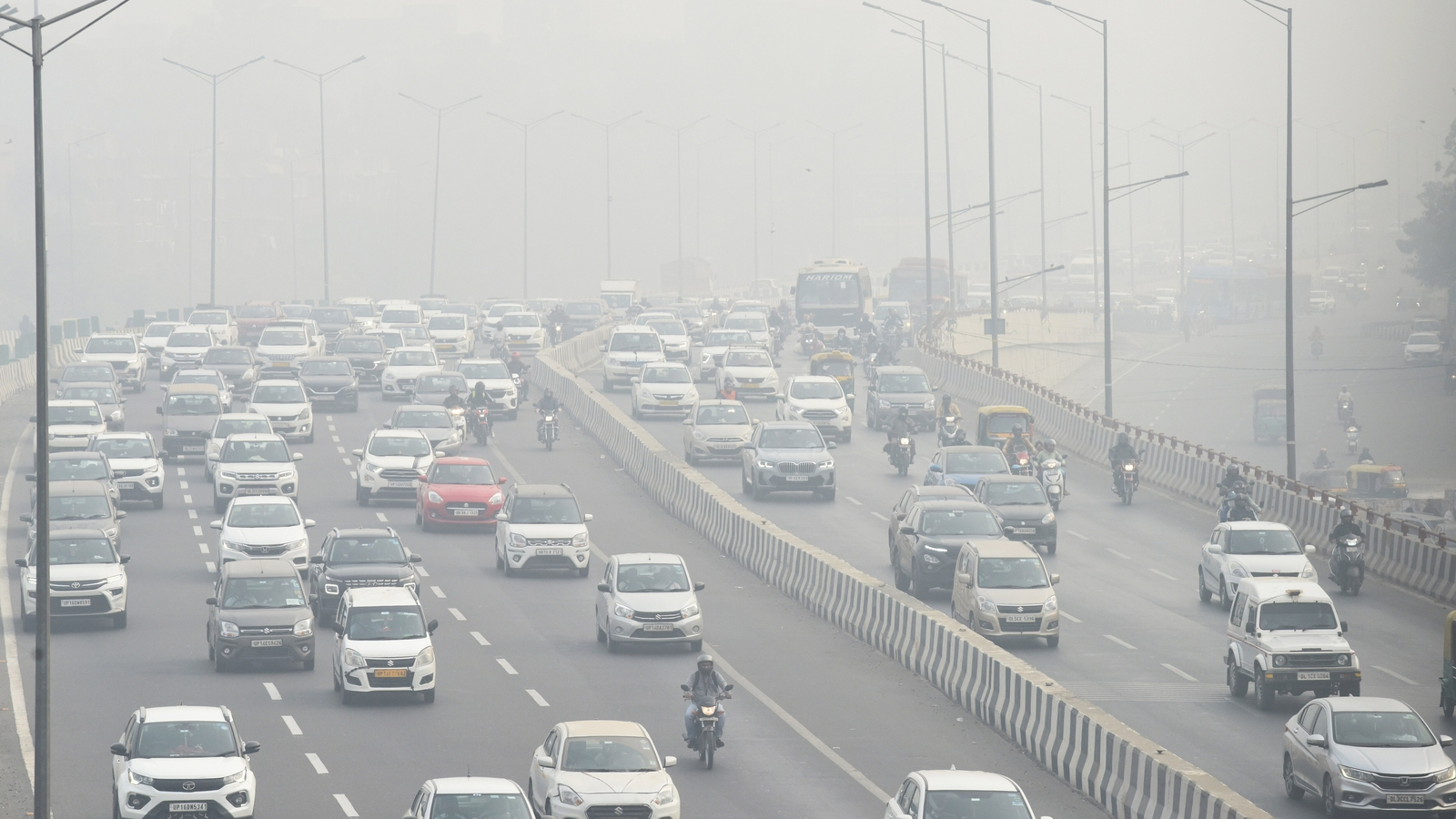
Delhi's GRAP rules (Stages 1–4) change based on AQI levels and pollution trends.
Each year, CAQM issues fresh orders and sometimes modifies which vehicles are allowed or banned.
For example, a new notification may say:
- Stage 3 – Ban on BS-III petrol or BS-IV diesel cars in Delhi
- Stage 4 – Stopping most diesel LMVs except essential services
- Different truck entry rules for NH-48, NH-44 and peripheral highways
Vehicle owners usually do not track CAQM bulletins or daily GRAP announcements. Recent directions such as Delhi’s plan to ban non-BS-VI commercial goods vehicles from entering the city are a good example of how quickly rules can tighten for transporters. But a well-updated RTO agent does.
This means:
- Customers receive advice based on real-time Delhi regulations
- No one applies for transfers, NOCs or permits for vehicles that are temporarily restricted
- Owners do not unknowingly violate pollution-related entry bans
2. Faster processing of RC transfer, NOC & fitness during GRAP
When GRAP is active, stricter inspections and document checks can slow down work at RTOs such as:
- DL01 Mall Road
- DL03 Sheikh Sarai
- DL06 Sarai Kale Khan
- DL09 Janakpuri
- DL10 Raja Garden
An experienced RTO agent who understands GRAP can prepare applications in advance, by:
- Pre-checking all documents for RC transfer, NOC and fitness
- Keeping PUCC, insurance, Form 29/30 and ID proofs ready and valid
- Tracking GRAP timings & RTO working patterns when there are heavy restrictions
- Scheduling visits and submissions to avoid peak enforcement hours
This can save vehicle owners days or even weeks of waiting, especially when pollution controls make
RTO offices busier and more strict.
3. Helping Delhi residents avoid GRAP violations & challans
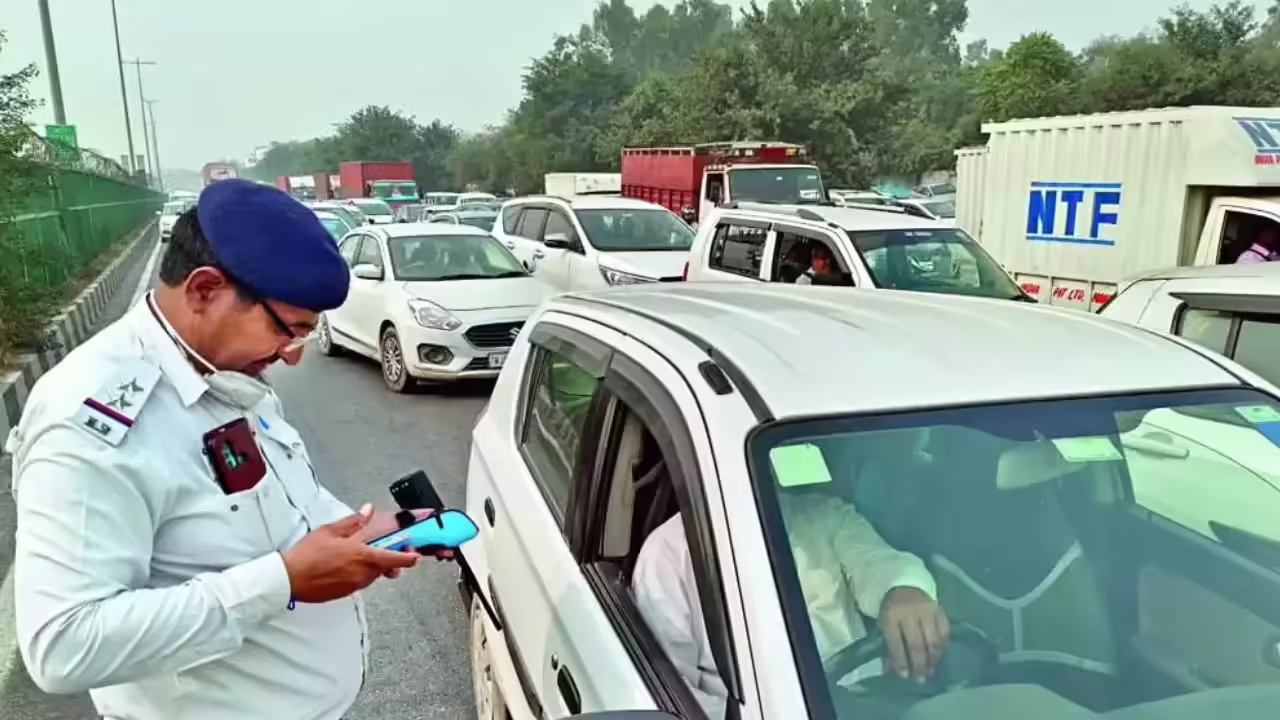
Between October and February, Delhi Police and the Transport Department intensify enforcement.
Random checks, border blocks and ANPR camera monitoring become stricter. Public transport systems also adjust operations, such as when Delhi Metro adds extra trips to reduce private car use during GRAP stages.
An outdated RTO agent may unknowingly guide a customer to:
- Drive a diesel commercial vehicle during Stage 3 or 4
- Enter Rajokri, Ghazipur or Tikri borders when truck restrictions are active
- Ignore a pending PUCC update
- Continue using a 10-year diesel or 15-year petrol vehicle where banned
A GRAP-aware RTO agent does the opposite. They:
- Check GRAP stage and current restrictions before giving advice
- Inform customers clearly about what is allowed or banned on that day
- Help avoid heavy fines, RTO blocks and even vehicle impoundment
4. Advising buyers & sellers on vehicle age rules in Delhi
Delhi has some of the strictest vehicle age rules in India:
- Diesel vehicles: banned after 10 years
- Petrol vehicles: banned after 15 years
During GRAP, enforcement becomes even stricter in high-traffic and premium zones like:
Dwarka Sector 21, South Extension, Vasant Kunj, Lajpat Nagar, Inderlok and nearby areas.
A knowledgeable RTO agent helps customers by checking:
- Whether the vehicle is still eligible for transfer within Delhi
- Whether it must be scrapped instead of transferred
- Whether an NOC can be issued to another state where usage is allowed
- Which states are open to older vehicles and what conditions apply
This prevents buyers from paying for vehicles that they cannot legally use in Delhi and protects sellers
from future complications.
5. Supporting Delhi businesses affected by commercial vehicle restrictions
Many Delhi businesses depend on vehicles such as:
- Goods carriers and tempo operators
- Construction trucks and tippers
- School vans and buses
- Office cab fleets and staff transport
During Stage 3–4 GRAP, many of these vehicles face bans or strict time restrictions.
Updated RTO agents can help businesses by:
- Applying for essential service exemptions where eligible
- Managing fitness renewals and permits early
- Filing correct commercial and contract carriage permits
- Advising on night-only entry routes or alternate timings
This ensures that business operations continue with minimum disruption, even during the toughest
pollution-control days. Case studies of small logistics firms struggling with GRAP-IV, such as those reported in coverage of non-BS-VI fleets being hit by restrictions, show how critical timely guidance can be.
6. Ensuring PUCC compliance during GRAP enforcement drives
During GRAP, Delhi sets up extra PUCC checkpoints at locations like:
Punjabi Bagh, I.P. Extension, Dhaula Kuan, Rohini Sector 3/7, Mehrauli–Badarpur Road and other busy corridors.
An updated RTO agent knows that a missing or expired PUCC can cause:
- Instant challans through cameras or on-road checks
- Rejection of RC transfer, NOC or permit applications
- Delay in fitness and renewal processes
So, a GRAP-aware agent reminds customers to renew PUCC before:
- Applying for RC transfer
- Requesting an NOC
- Renewing permits or preparing fitness forms
This proactive guidance prevents automatic challans and avoids unnecessary rework at RTO counters.
7. Accurate advice on Delhi border entry restrictions
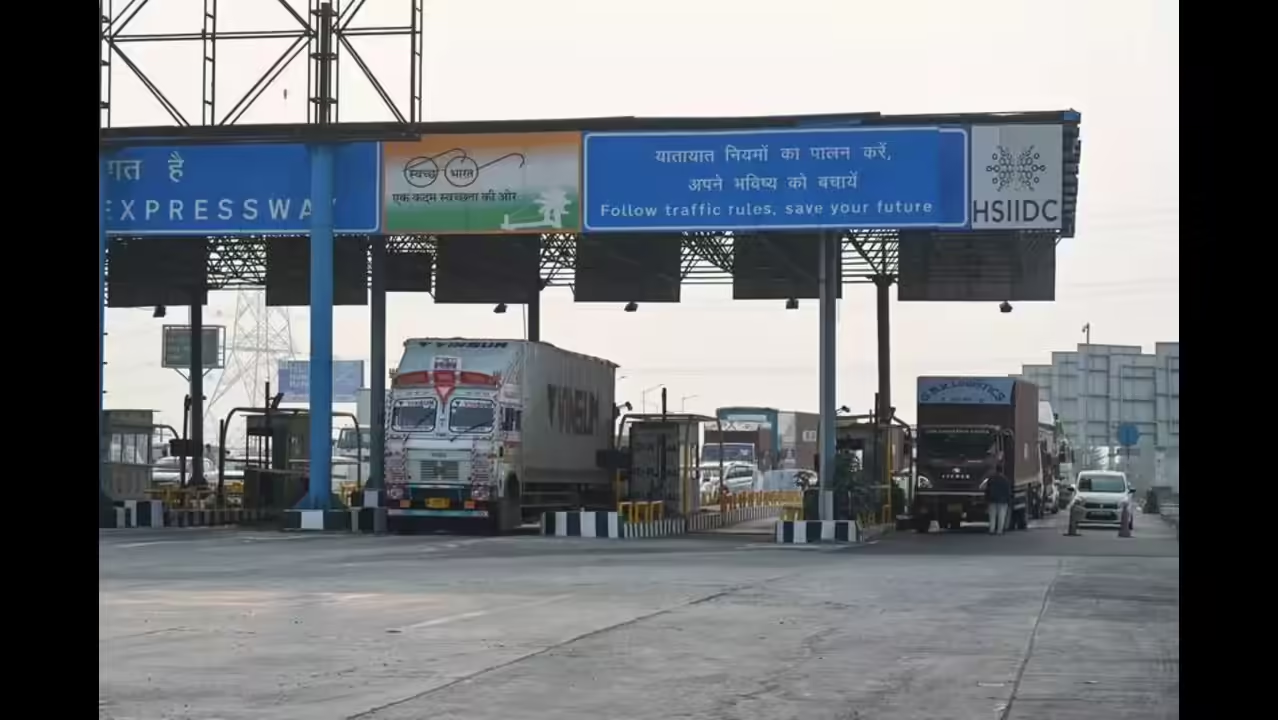
On peak pollution days, Delhi often restricts:
- Truck entry into city limits
- Movement of commercial diesel vehicles
- Interstate transport timings
Updated RTO agents monitor these rules carefully for:
Sanjay Gandhi Transport Nagar, Badarpur Border, Ghazipur Border, Singhu Border, Tikri Border and other entry points. Orders like GRAP Stage-4 directions that halt truck entry except for essential goods and clean-fuel vehicles directly affect how fleets plan routes and timings.
With real-time knowledge, they can:
- Guide transporters and fleet owners on which routes are open
- Help plan alternate routes or night-time entries
- Reduce the risk of trucks being turned back or fined at borders
8. Preventing RTO application rejections due to GRAP conditions
When GRAP is active, many RTOs apply:
- Stricter vehicle inspections
- Extra fitness checks for commercial and older vehicles
- Rejection of non-compliant diesel cars or vehicles beyond age limits
- Slower processing for certain vehicle categories
A GRAP-aware RTO agent knows exactly:
- Which vehicle categories are being accepted, restricted or rejected during each stage
- When it is better to apply now versus wait until restrictions ease
- What extra documents or proofs to attach to avoid queries
This reduces the risk of application rejections, repeated visits and lost time for vehicle owners.
9. Building trust with Delhi vehicle owners
When an RTO agent clearly explains to a customer:
- Why their diesel car cannot enter Delhi on a particular day
- Why a 12-year-old diesel car needs an NOC or scrapping
- Why PUCC is absolutely mandatory during Stage 3
- Why their commercial truck must use a revised route or timing
…it builds huge trust.
Customers prefer experts who proactively guide and protect them, rather than agents who only
submit forms mechanically. Over time, this reputation turns into:
- More repeat customers
- More referrals from friends and family
- A strong image as a reliable, GRAP-aware RTO professional in Delhi
10. Strong marketing benefit: you become the “GRAP expert RTO agency in Delhi”
Most RTO agents in Delhi do not highlight GRAP expertise in their marketing.
But as pollution awareness grows, vehicle owners are actively searching for:
- “GRAP compliant RTO agent in Delhi”
- “Agent who understands diesel ban rules”
- “Help for RC transfer during GRAP”
By staying updated, you can position your agency as:
- “Delhi’s Only GRAP-Compliant RTO Service Partner”
- “RTO Agent in Delhi Who Protects You From Fines During GRAP Season”
This gives you:
- Higher credibility in a crowded market
- More customer referrals from satisfied clients
- Stronger SEO ranking for GRAP-related RTO searches
- Better lead conversions for RC transfer, NOC, fitness and permit renewal
How Fateh Legacy helps as a GRAP-aware RTO partner
At Fateh Legacy, we closely track CAQM notifications, Delhi Transport Department circulars and GRAP stages
throughout the October–February pollution season. This helps us give practical, up-to-date advice to vehicle owners across
all DL01–DL12 RTO zones.
With Fateh Legacy, Delhi vehicle owners get:
- End-to-end support for RC transfer, NOC, hypothecation removal and duplicate RC
- Clear guidance on vehicle age rules and GRAP-related restrictions
- Help in planning permits, fitness and PUCC renewals around GRAP enforcement
- Transparent checklists so all documents are correct in the first submission
Need a GRAP-aware RTO agent in Delhi?
Fateh Legacy helps Delhi vehicle owners stay compliant with GRAP rules while handling RC transfer, NOC, fitness,
PUCC, permit renewal and scrapping work across DL01–DL12. Get expert guidance before restrictions cause delays or fines.
Talk to our Delhi GRAP & RTO Expert
Conclusion
As Delhi enters the October–February pollution season every year, GRAP becomes the most important rulebook for
vehicles and transport. RTO agents in Delhi, Dwarka, Rohini, Karol Bagh, Laxmi Nagar, Janakpuri and all DL01–DL12 zones
must stay updated with every new CAQM notification.
For vehicle owners, choosing a GRAP-aware RTO agent means:
- No surprise penalties or challans
- No unnecessary delays at RTO offices
- Far fewer rejected applications
- Hassle-free RC transfer, NOC, fitness, PUCC and permit work
Staying compliant not only keeps your vehicle safe on Delhi roads, it also protects you from sudden restrictions whenever
the AQI worsens. With the right RTO partner, GRAP season becomes easier to handle and far less stressful.
Frequently Asked Questions
What is GRAP and why is it important for Delhi vehicles?
GRAP (Graded Response Action Plan) is a pollution control framework used in Delhi to decide what restrictions apply when the AQI becomes poor, very poor, severe or severe+. It directly affects which vehicles can enter, run or be renewed in Delhi during the October–February season.
Why should my RTO agent know about GRAP?
A GRAP-aware RTO agent can tell you which vehicles are allowed or banned, when to apply for RC transfer or NOC, and how to avoid challans and delays. An agent who is not updated may unintentionally guide you towards non-compliant actions.
Does GRAP affect RC transfer and NOC work in Delhi?
Yes. During GRAP, RTOs often apply stricter checks, especially for diesel vehicles, older vehicles and commercial fleets. Some categories may face delays or temporary restrictions. An informed RTO agent helps you plan RC transfer and NOC work around these rules.
How does GRAP impact diesel and petrol vehicle age rules in Delhi?
Delhi already bans diesel vehicles after 10 years and petrol vehicles after 15 years. During GRAP, enforcement of these age rules becomes stricter. RTO agents must check age and category before advising on transfer, NOC or scrapping.
Can I still drive my commercial vehicle in Delhi during GRAP?
It depends on the GRAP stage and your vehicle type. Some commercial diesel vehicles are restricted or allowed only at specific times. A GRAP-aware RTO agent can check the latest rules and guide you on timing, routes and permits.
Why is PUCC so important during GRAP months?
During GRAP, Delhi installs extra PUCC checkpoints and uses cameras to detect non-compliant vehicles. An expired PUCC can lead to immediate challans and even rejection of RC transfer or permit applications. Your RTO agent should always remind you to renew PUCC in time.
How do GRAP rules affect Delhi border entry for trucks and commercial vehicles?
On severe pollution days, truck entry and commercial diesel movement are restricted at key borders like Badarpur, Ghazipur, Singhu and Tikri. A GRAP-aware agent can advise on allowed timings, alternate routes and whether your vehicle is currently permitted.
Can a GRAP-aware RTO agent help my business in Delhi?
Yes. Businesses that depend on goods carriers, school buses, construction trucks or staff transport can avoid serious disruptions if their RTO agent plans permits, fitness and routes according to GRAP stages and exemptions.
What happens if my agent is not updated on GRAP rules?
If your agent is not updated, you may face delays, rejected applications, unexpected challans or even impoundment of non-compliant vehicles. Choosing a GRAP-aware RTO agent reduces these risks significantly.
How does Fateh Legacy support vehicle owners during GRAP season?
Fateh Legacy tracks CAQM and Transport Department updates, then guides vehicle owners on RC transfer, NOC, fitness, PUCC and permits as per the latest GRAP rules. This helps you stay compliant and avoid stress during Delhi’s pollution season.